8.30.2007

How animals develop from an embryo

In this, his first column, Adel looks at the nuts and bolts of building an animal from genes right up to bones, and discusses why crabs are actually living upside down...

What Does a Tree Sloth and a Crab Have in Common?

A thought occurred to me as I was sitting on the tube; have you noticed that nearly all vertebrates (animals with backbones) have the same body plan? I mean they all have a head, two front legs (or arms) and two legs. This seems rather incredible if you consider the diversity of the animal kingdom. If we just take mammals alone, they have adapted to run (cheetah), fly (bat), swim (whale), and even dig (mole). So why do they all share the same basic body plan? Were they all designed separately or did they evolve from a single ancestor? If we simply look at the bones in the forelimb of each of these creatures we can instantly see the same pattern. Each has five digits, a set of small wrist bones, two bones in the forearm, a single humerus, a shoulder blade and collar bone. The shapes of the bones are subtly altered to suit the particular environment in which the animal lives. The mole, for example, has digits that are short and stout, designed for slow but hard work. In contrast, the bones of the cheetah, or gazelle, are light and slender for chasing, or getting away, respectively.

In the nineteenth century, E. Geoffroy Saint-Hilaire, a respected biologist, compared the body plans of vertebrates and crustaceans (such as lobsters, crabs and so on) and suggested that the body plan of these animals were similar to those of vertebrates but upside down! He suggested this because the spinal cord of crustaceans sits below the gullet, whereas it sits above the gullet in vertebrates. He was laughed at and his theories rubbished because everyone knows that crabs and people are entirely different. Aren't they?

Modern embryologists study the pattern of genes in the developing embryo to try and understand how the activation of these genes leads to actual physical development. This is much like trying to piece together the instruction manual for an MFI wardrobe by looking at the separate parts of the wardrobe and comparing them to the pictures in the instructions. The hard bit is to try and get those pictures in the right order so that they make sense. By studying the expression of the genes in many different types of animals, we have found that the same genes are switched on in a similar pattern in animals as diverse as fruit flies, lobsters, chicks and humans. Further, the activation of certain genes has backed up the ideas of Geoffroy by showing that crustaceans develop "upside-down" to vertebrates.

So the tree sloth and crab do have something in common after all...they both live upside down...!

Adel Fattah

Why Plants Make Caffeine

It's Monday again, and somehow I have managed to convince myself over the weekend that waking at 11 is justice, and the natural human way. But here it is, Monday 10:30 am, and I've been up for 5 hours already....


I think it's time for a coffee break.

I rush around, juggling my workload until I can finally manage to fit in 15 minutes for a quick mug-full of that sacred, sacred Joe. But if I were a plant like Cocoa, Kola, Guarana, or Coffee, I wouldn't have had to make the time - I would already have the caffeine built in. Do these plants realize just how lucky they are? That is, of course, assuming that plants use their caffeine to get a buzz on.

In truth, scientists have only begun to guess why some plants produce caffeine. Caffeine is classified as a secondary compound which means it is not essential for the plant's survival. In fact there are many species of caffeinated plants with decaffeinated relatives (poor things), but, as a non-essential component, it can be harder to pinpoint exactly what the caffeine is doing there.

Chemically, caffeine is a methylxanthine. Many methylxanthines are used as pesticides both by humans and plants. It's possible, though not confirmed, that caffeine is used to poison herbivores and plant pests to discourage them from attacking that plant type again; that is, if they survive after metabolising the caffeine. But because caffeine is toxic to plant cells it's stored in specialised cell compartments called vacuoles which are rather like a medicine chest and keep the caffeine safely locked away from the rest of the cell contents until it's needed. Unfortunately this means that the plant doesn't get to enjoy the buzz from its own caffeine (assuming plants can experience a 'buzz'), but that's a necessary trade-off of having a toxic substance lying around.

So it seems that caffeinated plants are lucky to have this compound as part of their natural defences, but it doesn't deter all attackers. For instance, caffeine doesn't poison humans in the doses that we typically ingest (even a Monday morning dose), but it does cause addiction. It works by stopping the enzyme phosphodiesterase from breaking down a signalling substance called cyclic AMP (cAMP for short) and its close relatives. One of the actions of the stress hormone adrenaline is to increase the levels of cAMP in cells, so by preventing cells from breaking down cAMP, caffeine potentiates the action of adrenaline, and gives us a buzz. In even higher doses, and with prolonged use, it can trigger anxiety, muscle tremors, palpitations and fast heart rates, and profound withdrawal effects including headaches, inability to think clearly, and bad moods whenever you mistakenly switch to decaff !

Caffeine-containing plants may be safe from certain insects, vertebrates, bacteria and fungi, but they are preyed on by humans who love the rush it gives them. Not so lucky then, I guess? But there is a hypothesis that plants synthesise psychoactive compounds to target and manipulate humans in particular. In other words, if humans desire the plants, then they will cultivate them. The plants may get processed and eaten up by humans, but because they have been better cared for, they will be able to produce more offspring first. If this hypothesis is true, I think caffeine-producing plants should win whatever the highest international award is for human psychology.

Dalya Rosner

How does DNA Fingerprinting Work?

People everywhere expected the new millennium to bring surprises. But the particular shock and horror that rippled through the international viticulture community in 2000 was most unexpected. It had been found that sixteen of the most highly prized varieties of wine-making grapes were the product of mating between the classic Pinot and the classically undervalued Gouais grape.

This blew the proverbial cork off the industry because the Gouais was considered such an inferior specimen that there were even attempts to ban its cultivation in France during the Middle Ages. This proves that humble origins can still produce superior quality. More practically, though, knowledge of their heritage allows improved breeding of highly desirable subspecies of grape. And viticulturists everywhere had DNA fingerprinting technology to thank.

There are about 3 billion DNA letters in the human genome (genetic blueprint). But only about 1% of those DNA letters differ between individuals. DNA (genetic) fingerprinting exploits the differences in that 1% to tell people apart.DNA fingerprinting is a term that has been bandied about in the popular media for about fifteen years, largely due to its power to condemn and save, but what does it involve? In short, it is a technique for determining the likelihood that genetic material came from a particular individual or group. 99% of human DNA is identical between individuals, but the 1% that differs enables scientists to distinguish identity. In the case of the grapes, scientists compared the similarities between different species and were able to piece together parent subspecies that could have contributed to the present prize-winning varieties.

The DNA alphabet is made up of four building blocks – A, C, T and G, called base pairs, which are linked together in long chains to spell out the genetic words, or genes, which tell our cells what to do. The order in which these 4 DNA letters are used determines the meaning (function) of the words, or genes, that they spell.

But not all of our DNA contains useful information; in fact a large amount is said to be “non-coding” or “junk” DNA which is not translated into useful proteins. Changes often crop up within these regions of junk DNA because they make no contribution to the health or survival of the organism. But compare the situation if a change occurs within an essential gene, preventing it from working properly; the organism will be strongly disadvantaged and probably not survive, effectively removing that altered gene from the population.

Genetic Fingerprints - DNA can be cut into shorter pieces by enzymes called "restriction endonucleases". The pieces of DNA can then be separated according to their size on a gel.

Left - DNA fingerprints from 6 different people, 1 in each lane (column).

DNA can be cut into shorter pieces by enzymes called "restriction endonucleases". The pieces of DNA can then be separated according to their size on a gel.

Each piece of DNA forms a band (the white lines on the gel). The smallest pieces travel the furthest and are therefore clostest to the bottom of the gel. The larger pieces travel shorter distances and are closer to the top.

For this reason, random variations crop up in the non-coding (junk) DNA sequences as often as once in every 200 DNA letters. DNA fingerprinting takes advantage of these changes and creates a visible pattern of the differences to assess similarity.

Stretches of DNA can be separated from each other by cutting them up at these points of differences or by amplifying the highly variable pieces. ‘Bands’ of DNA are generated; the number of bands and their sizes give a unique profile of the DNA from whence it derived. The more genetic similarity between a person – or grape – the more similar the banding patterns will be, and the higher the probability that they are identical.

In the non-coding regions of the genome, sequences of DNA are frequently repeated giving rise to so-called VNTRs - variable number tandem repeats. These can be used to produce the genetic fingerprint.

In the non-coding regions of the genome, sequences of DNA are frequently repeated giving rise to so-called VNTRs - variable number tandem repeats. The number of repeats varies between different people and can be used to produce their genetic fingerprint. In the simple example shown above, person A has only 4 repeats whilst person B has 7. When their DNA is cut with the restriction enzyme Eco RI, which cuts the DNA at either end of the repeated sequence (in this example), the DNA fragment produced by B is nearly twice as big as the piece from A, as shown when the DNA is run on a gel (right). The lane marked M contains marker pieces of DNA that help us to determine the sizes. If lots of pieces of DNA are analysed in this way, a 'fingerprint' comprising DNA fragments of different sizes, unique to every individual, emerges.


But why bother? After all, I know where my wine comes from – Tesco's, right? Well, there are many relevant applications of DNA fingerprinting technology in the modern world, and these fall into three main categories: To find out where we came from, discover what we are doing at the present, and to predict where we are going.

In terms of where we came from, DNA fingerprinting is commonly used to probe our heredity. Since people inherit the arrangement of their base pairs from their parents, comparing the banding patterns of a child and the alleged parent generates a probability of relatedness; if the two patterns are similar enough (taking into account that only half the DNA is inherited from each parent), then they are probably family. However, DNA fingerprinting cannot discriminate between identical twins since their banding patterns are the same. In paternity suits involving identical twins - and yes, there have been such cases - if neither brother has an alibi to prove that he could not have impregnated the mother, the courts have been known to force them to split child care costs. Thankfully there are other, less “Jerry Springer-esque”, applications that teach us about our origins. When used alongside more traditional sociological methodologies, DNA fingerprinting can be used to analyse patterns of migration and claims of ethnicity.

DNA Fingerprinting can also tell us about present-day situations. Perhaps best known is the use of DNA fingerprinting in forensic medicine. DNA samples gathered at a crime scene can be compared with the DNA of a suspect to show whether or not he or she was present. Databases of DNA fingerprints are only available from known offenders, so it isn't yet possible to fingerprint the DNA from a crime scene and then pull out names of probable matches from the general public. But, in the future, this may happen if DNA fingerprints replace more traditional and forgeable forms of identification. In a real case, trading standards agents found that 25% of caviar is bulked up with roe from different categories, the high class equivalent of cheating the consumer by not filling the metaphorical pint glass all the way up to the top. DNA fingerprinting confirmed that the ‘suspect’ (inferior) caviar was present at the crime scene.

DNA fingerprinting using material collected at the scene of a crime can be used to identify the guilty party (Gel electrophoresis adapted from Iowa State University teaching materials).In the example shown on the left, DNA collected at the scene of a crime is compared with DNA samples collected from 4 possible suspects. The DNA has been cut up into smaller pieces which are separated on a gel. The fragments from suspect 3 match those left at the scene of the crime, betraying the gulty party.

Finally, genetic fingerprinting can help us to predict our future health. DNA fingerprinting is often used to track down the genetic basis of inherited diseases. If a particular pattern turns up time and time again in different patients, scientists can narrow down which gene(s), or at least which stretch(es) of DNA, might be involved. Since knowing the genes involved in disease susceptibility gives clues about the underlying physiology of the disorder, genetic fingerprinting aids in developing therapies. Pre-natally, it can also be used to screen parents and foetuses for the presence of inherited abnormalities, such as Huntington’s disease or muscular dystrophy, so appropriate advice can be given and precautions taken as needed.

Dalya Rosner

Big Fish, Little Sea

Alongside their neighbours on coral reefs, few fish come close. They can even outsize turtles and sharks. With sad-looking lips and inquisitive eyes their faces are decorated with intricate blue-green scribbles resembling New Zealand Maori war paint, hence their other name is Maori wrasse. Napoleon wrasses are found on reefs across the Indian and Pacific Oceans and for my PhD I study them both on a pristine, remote atoll in the South China Sea and around the coral fringed coast of the northern Borneo.

Sadly it is becoming increasingly rare to catch a glimpse of the majestic Napoleon wrasse in the wild. You are more likely to see them swimming around tanks in expensive seafood restaurants in Hong Kong or Singapore. Since the 1970's it has become a prestigious delicacy to dine on large, colourful coral reef fish that are killed moments before cooking. The Napoleon wrasse is an especially favoured status symbol. A plate of their rubbery lips sells for 250 US dollars and a magnificent 40 kilogram specimen can cost as much as 10,000 US dollars.

Despite the high value of these fish, and the growing demand, very little is known about Napoleon wrasses, their biology, how they are exploited, and how remaining populations might be protected from extinction. But what is clear is that this big fish is in big trouble.

Various features of the Napoleon wrasse biology make them especially vulnerable to overexploitation. Like many other large animals they grow slowly and take years to reach maturity, which means populations take a long time to recover from even low levels of hunting.

Their mating system also predisposes Napoleon wrasses to being heavily fished. During each new moon they congregate to mate at specific locations on the reef. Like lions in the African savannah, each group of Napoleon wrasses has a dominant male who does most of the mating. He stakes out his territory, fiercely chases off intruding males and mates with the dozens of females that arrive. The timing of these spawning aggregations is highly predictable. In the population I study the females begin to arrive at 12.30pm, and everything is over by 3pm. The problem is that if fishermen learn the precise timing and location of these aggregations, then they too can lie in wait and catch many more fish than they would at other times by painstakingly hunting for these otherwise solitary fish.

The live reef fish market demands two distinct sizes of fish, both smaller "plate sized" individuals enough for a single diner, as well as outsized adults that will impress guests at a banquet. Plate or Banquet sized ? A Napoleon Wrasse - Click to enlargeEither way this spells bad news for the wild populations of Napoleon wrasses. The smaller fish are juveniles, taken from the wild before they have had a chance to reproduce. As for the large fish, these are all males and their removal potentially leads to a serious female bias. This is because Napoleon wrasses start off life as females and undergo a sex change when they grow to a large enough size, but this takes time.

It seems that Napoleon wrasses just aren't cut out for high levels of exploitation and my data are backing this up. I have collected thousands of records of Napoleon wrasse sales from fisheries in northern Borneo going back for nearly ten years. Graphs show that the number and size of Napoleon wrasses caught by each fisherman has taken an unmistakeable and disheartening nosedive over the years. This suggests that there are few Napoleon wrasses left and fishermen are struggling to find them.

The sales records also show another very worrying trend. As the Napoleon wrasse become a rarity their status and exclusivity escalate so that diners are prepared to pay even more inflated prices. As prices are driven higher, so is the incentive for fishermen to catch the last remaining fish.

What can be done to help? As with most fisheries, there is no easy answer. Just like the blue fin tuna or North Sea cod, there is too much demand for too few fish. If the trade were to be banned, fishermen would lose their jobs, but when the fish have gone there will be no trade and no jobs.

There is however a glimmer of hope for the Napoleon wrasse. Not all countries that could trade in live Napoleon wrasses actually do so. The trade is banned in the Seychelles and the Maldives and licences are strictly regulated in Fiji. These and other countries are beginning to realise that by leaving Napoleon wrasses on the reefs they can gain from scuba diving dollars.

The question is who is prepared to pay most in the long run, diners or divers?

Helen Scales

Therapeutic Cloning, and Stem Cell Research

Therapeutic cloning involves the replication of human embryos to harvest stem cells for medical uses. Most clones are created through a process called "somatic cell nuclear transfer." Essentially, a scientist uses a tiny needle to pull DNA material from the nucleus of a donor cell and transfer it into a hollow egg. The egg has had its own nucleus and genetic material removed. To get this hybrid cell to start dividing, lab technicians then "stimulate" the egg with a chemical bath or a jolt of electricity.

Instead of implanting the resulting embryo into a female host, as would be done in reproductive cloning, scientists destroy the embryo so that researchers can extract the stem cells. Stem cells are pluripotent; they have the potential to form any cell or tissue in the human body. They are master cells, capable of morphing into cells in the brain, muscles, or other organs, and which might be used for medical treatment.

In 2001, Great Britain became the first country in the world to legalize the creation of human embryos -- not to create living human clones, but to create embryos whose stem cells can be taken for experimental use. Under new regulations, these clones must be destroyed after 14 days, and it is illegal to create live babies by cloning.

Many scientists who urge a ban on reproductive cloning urge that the ban not be extended to therapeutic cloning and the harvesting of stem cells to cure disease. Scientists say the use of stem cells to grow new cells has the potential to treat or cure dozens of degenerative diseases, from heart disease to Parkinson's to kidney failure.

"I am convinced that therapeutic cloning offers health opportunities that you could not attain in any other way," says Ian Wilmut, adding that it shouldn't be banned along with reproductive cloning (NewScientist.com, November 7, 2003). Wilmut is the scientist who cloned Dolly, the sheep, in 1996 and is now a leading commentator on the subject of cloning.

Responding to fears that if therapeutic cloning is allowed, some renegade researcher may decide to implant a cloned embryo, rather than destroy it, Wilmut says, "We can't stop this valuable research from going forward for fear of a few bad apples out there. That's why there are laws."

STEM CELL TREATMENTS FOR PARKINSON'S DISEASE

Could stem cell technology help reverse the physical decline suffered by Parkinson's patients?

Many scientists say yes. Renowned stem cell expert, Swedish researcher Olle Lindvall, in an article at NewScientist.com (November 7, 2003), says he expects to be able to transform stem cells into the dopamine-producing neurons Parkinson's patients so badly need. But it will take time.

"Stem cells could potentially be used for the treatment of Parkinson's disease -- but it's a very difficult problem to generate large numbers of dopamine-producing neurons, which are the cells we need," Lindvall says. "I am convinced that stem cell technology can become in the future a cure for conditions leading to brain injury -- but I think we have a long way to go."

Scientists have had some success treating Parkinson's in animals using stem cells from aborted animal fetuses, Lindvall says, but those stem cells aren't as effective as the ones harvested from very early embryos of just a few days old.

And there is another possibility. Linvall's research has shown that the brain of a rat, after a stroke, actually produces new brain cells that travel to the damaged area. Perhaps that process -- plus some encouragement from drugs and combined with stem cells treatments - may be the eventual treatment for Parkinson's.

CLONING FOR STEM CELLS

"Our intent is to use this technology to generate stem cells to treat serious and life-threatening diseases, not to create a child," says Robert Lanza of Advanced Cell Technology (ACT) in an article in "Scientific American" (January 2002). He told me that his is one of the very few efforts in the world that has successfully cloned a human embryo. ACT is one of the very few private companies in the United States that kept working on stem cell research after the U.S. government dried up federal funds for the procedure.

Think of an embryonic stem cell as a kind of master cell, an early-stage cell that retains the ability to form almost any kind of cell or tissue type in the human body. With a little chemical encouragement, a stem cell can turn into a new heart muscle for a heart attack victim; new neurons for stroke, paralysis or Parkinson's patients; or new insulin-secreting pancreas cells for diabetics. Down the road, scientists believe it will be possible to create such complicated structures as blood vessels, liver tissue, and whole kidneys. In fact, ACT scientists have already succeeded in building tiny cow kidneys that could be used for kidney transplants. It isn't hard to envision, Lanza says, a future where pretty much any kind of organ or tissue could be engineered to replace those damaged by age, injury, or disease.

"It's not science fiction at all. This field is moving ahead so phenomenally quickly that by the time the baby boomers age, this could be routine stuff," says Lanza, in an interview with the author (December 15, 2003). Lanza adds that scientists have already developed techniques that could cure macular degeneration, a malfunction of the retina that leads to poor vision and blindness in more than 1.7 million Americans. But getting such techniques into the clinical trial stage is quite another matter. "We only have eight scientists and thanks [to the federal funding ban], there are times when we can barely make payroll. "My hope is that as soon as we can show that we can cure diabetes in dogs, people will clamor for this. And then," Lanza says, "everything will change."

RESEARCHERS CREATE JOINT FROM STEM CELLS

Scientists say they've managed to build the ball-structure of a joint from adult stem cells retrieved from a rat's bone marrow.

Working at the University of Illinois in Chicago (UIC), researcher Jeremy Mao says he succeeded in transforming stem cells into the bone and cartilage tissue of a human jaw joint. "This represents the first time a human-shaped [jaw joint] with both cartilage and bone-like tissues was grown from a single population of adult stem cells." Mao, who is director of the University's tissue engineering laboratory and a professor of bioengineering and orthodontics, was speaking at a UIC press conference on December 1, 2003.

"Our ultimate goal," adds Mao, "is to create a [jaw joint] that is biologically viable -- a living tissue construct that integrates with existing bone and functions like the natural joint." So far tested only in animals, the procedure promises to lead to technology that may help doctors replace hip, knee, and shoulder joints that are damaged by arthritis or other disorders.

The procedure is relatively straightforward. First, researchers prodded the stem cells, with appropriate chemicals, nutrients, and growth hormones, to turn into cells capable of producing cartilage and bone. Then they separated the cells into two layers and poured them into a mold created by the jaw bone of a human cadaver. After a few days, researchers were delighted to discover that they had what they were looking at -- joint-shaped tissue that had bone on the inside and cartilage on the outside, just like a human joint.

Tests confirmed that the engineered tissue actually was bone and cartilage, with all the typical components they have, including calcium and cartilage.

Generally, adult stem cells - that is, stem cells found in bone cartilage - aren't as versatile as stem cells harvested from embryonic tissue. But this study suggests adult stem cells may be more useful than previously thought.

STEM CELLS MAY TREAT MUSCULAR DYSTROPHY

Studies in mice show that a type of stem cell in blood vessels could help patients suffering from the muscle-wasting disease, muscular dystrophy (MD).

Researchers in Milan and Rome have discovered that blood vessel stem cells actually cross from the bloodstream into muscular tissue, where they help generate new muscle fibers. It worked in mice with symptoms similar to those generated by MD, researchers say.

"Although these results are exciting, we have not cured the mice," said Giulio Cossu of the Stem Cell Institute of Milan, speaking at a press conference at the American Association for the Advancement of Science on July 10, 2003. "We believe this is a significant step toward therapy, but the question that keeps me awake at night is whether this will work in larger animals."

This particular kind of stem cell is new to scientists, having only been discovered a year ago. According to Cossu, they are still learning how to identify them by appearance and function, and they've so far only isolated them from fetal blood cells. Moreover, researchers need to refine the part of the procedure that involves inserting a healthy version of the gene that causes MD into the stem cell. Only more experimentation will show whether the procedure will ever be safe enough for humans.

As far as Cossu's mice go, they definitely improved as a result of the procedure. After treatment, their muscles were larger and had more muscle fibers. They were also able to walk on a wheel for a longer period of time than untreated animals. "I'm convinced this is an important result, but this is still not the therapy - for mice or for patients," Cossu told the press, underlining that the technique is still very much experimental.

THE DEBATE

In the meantime, the debate rages on. President George W. Bush has made no secret of where he stands on the issue of stem cell research. In a televised address to the nation in August, 2001, he said, "We recoil at the idea of growing human beings for spare body parts, or creating life for our convenience."

And the United Nations (U.N.), which was prepared to enter into a long-tem treaty to stop scientists from pursuing human reproductive cloning, instead hit a deadlock when the United States, the Vatican, and fifty Catholic countries pressured the U.N. to ban therapeutic cloning, too. The whole issue is now shelved until delegations have put more study into it. The treaty wont come up for discussion again until 2005.

The reaction among scientists varied widely. Some, like Bob Ward, spokesperson for the Royal Society in the U.K., said, "No decision is better than the wrong decision."

In other news reports, some scientists say they felt cheated. "Rather than ban the thing we all agree on, we end up with no ban, because the extremists refuse to compromise," says Larry Goldstein, a stem cell researcher at the University of California at San Diego (NewScientist.com, November 7, 2003)

Some observers are concerned that the U.N.'s delay in banning human reproductive cloning gives scientists hoping to make a big name for themselves or a fast buck from creating human clones some sort of safe haven.

PARTHENOGENESIS: AN EASY ANSWER ?

In January 2004, Lanza and his fellow scientists at ACT made an announcement: They had succeeded in bringing a human embryo to the point of 100 cells through a technique called parthenogenesis. This was important news.

The same kind of reproduction that occurs in snakes and some birds, parthenogenesis leads to the creation of embryos (or "parthenotes") that don't include the male chromosomes required to make a placenta, so they could never be born as a living human. Perhaps stem cells created through this method won't be as controversial, and it could become the primary way stem cells are harvested for therapeutic purposes.

"This is an ongoing research project and there are many steps ahead, including developing the cells into viable therapies," says Lanza.

The whole issue of a looming United States and, possibly, United Nations ban on cloning riles Lanza, who claims that stem cell therapy is the best shot that millions of Americans have to adequately treat their degenerative disorders.
"It's unconscionable," says Lanza, "for Catholics and other evangelists to deny others the right to receive medical therapies. It's the whole issue of church and state. Who is the government to be taking sides in these religious debates? They should be looking out for the health and well being of their citizens."

At this writing, the U.S. House of Representatives had passed a bill that bans all forms of cloning. The same measure was stalled in the Senate. In the meantime, Lanza pursues his work while it is still legal -- and waits.

Gina Smith

Transposons: Spam from the Dark Ages

Pretty much everyone who has ever had an e-mail address will have come across "spam", that trickle (or flood) of unsolicited junk e-mail offering to sell you anything from viagra to a share in a dead dictator's fortune. Most of us just delete them with a touch of irritation at their clogging up of our mailboxes, and promptly get on with whatever we were doing.

But looking inside ourselves, we discover that this phenomenon pre-dates the internet, and even cave drawings and flint axes. Each cell in our bodies contains thousands of copies of "biological junk mail", except this kind is made of DNA instead of words and data packets. Indeed, while only 2% of our genome directly codes for the proteins that make up our bodies, over 40% of the remaining 'non-coding' DNA is filled with spam! What are these biological "junk mails"?

They are called transposable elements, or transposons, and are ubiquitous throughout life. They were first discovered by Barbara McClintock in 1944 when, noticing some unusual and changing colour patterns in the kernels of some maize she was studying, she hypothesised the existence of mobile genetic elements to explain the phenomenon (see figure 2, below). With the explosion of molecular biology, much more is now known about these jumping pieces of DNA.

There are two broad classes of transposable elements. DNA-based transposons, which are responsible for the colour changes in maize, move around the genome in a "cut-and-paste" fashion, literally cutting themselves out of their original location and inserting somewhere else. RNA transposons, or retrotransposons as they are also known, work differently. They are thought to originate from viruses that have inserted (integrated) themselves into the genome of a cell they have infected, where they lie dormant and are passively copied along with the host cell's DNA every time the cell divides. Over time, these "sleeping" viruses can mutate, just like any other part of the host's genome, and these mutations can lead to them losing their ability form new virus particles and infect new cells. However, they often retain, at least for a while, the ability to copy themselves, and these copies can, in turn, be inserted somewhere else in the host genome. So while DNA transposons "jump", retrotransposons "copy" themselves to new locations. This is illustrated in figure 3, below.

Transposons were first discovered by Barbara McClintock in 1944, when she noticed some unusual and changing colour patterns in the kernels of some maize she was studying, and hypothesised the existence of mobile genetic elements to explain them. (Image © Dr. Hugo Dooner)
Figure 2 : Colour variations in maize caused by DNA transposons. A normal gene (Bz) gives maize kernels a dark colour (left), whereas a mutant version (bz) confers an orange colour (middle). If the gene is disrupted by a transposon (bz-m) this also results in an orange colour, but in some of the cells in the kernel the transposon has jumped back out of the gene, restoring its function, producing dark spots where this has happened (right).

So what is the point of all these jumping bits of DNA? Can we simply ignore them as a biological oddity, or is it important to understand them? Well, just like the spam we receive by e-mail or post, most of them sit harmlessly in a corner of our genome, but some copy themselves and jump to new locations in our DNA where they affect adjacent genes. In their new location they can disrupt a gene completely, or subtly change the way it exerts its effects in the cell. This can have both positive and negative consequences.

Transposons have undoubtedly been a source of genetic diversity throughout evolutionary time, providing raw material on which natural selection can work. For example, every one of our genes is under the control of another stretch of DNA sequence called a promoter which influences when the gene is turned on and off, and what at level it is expressed. Parts of transposons are known to behave like promoter sequencess and when they jump next to a gene these extra promoter segments can change the way the gene is regulated. If this change happens to be beneficial, it will be selected for in evolution. Indeed this seems to have happened frequently, and it is estimated that 25% of human promoters contain sequences originally from transposons.

In rare cases, single transposons may have had a profound effect on human evolution. The most common transposon in humans is called Alu. Alu elements are DNA transposons found only in primates and seem to have been most active between 30 and 50 million years ago. Researchers have noticed that Alu contains sequence which looks very similar to other parts of the human genome that are regulated by hormone-binding proteins. These are proteins which allow hormones to interface with our DNA, regulating whole sets of genes at once. If Alu's also have this property, then they may have caused widespread changes in the way genes respond to hormones when they jumped near active genes.

Our immune system may also owe a lot to the action of a particular transposon. Our ability to make antibodies to any microbe that infects us relies on a particular set of genes in the B cells of our immune system that can be shuffled around in near-limitless combinations. This means that with a relatively small set of "base" genes, our B cells can produce antibodies on demand against whatever infection we might be facing, without needing one gene for every possible antibody. However, this requires proteins that can "cut-and-paste" DNA to create these new combinations. We've seen this phrase before already … this is how DNA transposons move around! Scientists have found that the proteins that make our antibody-shuffling system possible, called RAG proteins, entered the genome of our ancestors on a DNA transposon around 450 million years ago. This allowed the jawed vertebrates to adapt their immune responses to each case of disease, a major improvement on the more limited innate immune systems present before.

DNA transposons excise themselves from their original location, and insert themselves somewhere else in the genome. RNA transposons make a copy of themselves that inserts into a new location, leaving the original transposon intact.
Figure 3: DNA and RNA transposons move around the genome. DNA transposons cut themselves out from their original location, and insert themselves somewhere else in the genome. RNA transposons make a copy of themselves that inserts into a new location, leaving the original transposon intact.

Negative consequences of a transposon jumping into a gene are more likely though. Transposon insertion into a gene can scramble the coding sequence, producing a defective or truncated gene product with little or no function. It can also be detrimental in other ways. Even if it doesn't insert into the coding part of the gene, it can still cause problems, such as altering its regulation in dangerous ways by disrupting the promoter sequence.

Pigs are considered good candidates for xenotransplantation - the use of pig organs in humans. But concerns over porcine endogenous retroviruses from pig organs leading to new infections in humans has effectively stalled progress in this area of research.
Figure 4: Xenotransplantation - pigs are a potential source of organs. But when scientists transplanted pig organs into mice, they found that a porcine (pig) endogenous retrovirus, which had been dormant in the pig genome, reactivated and infected the mice.

With more and more genomes being sequenced, transposons can help reconstruct the tree of life. By looking at the pattern of transposons present in different organisms, and how they have mutated over time, inter-relationships between species can be inferred. For example, three ancient retroviral insertions are present in exactly the same places in the genomes of deer, giraffes, hippos and whales. This is just one piece of evidence linking whales to their land-dwelling ancestors.

Transposable elements can also be both a blessing and a curse when it comes to manipulating technology for our own benefit. On the plus side, they are seen as one of a number of possible vectors, or delivery systems, for use in gene therapy. If an efficient way could be developed to smuggle engineered transposons into live human cells in the body, they could be used to deliver healthy copies of a gene that is defective in a patient suffering from a genetic illness.

One area where they can present an obstacle is xenotransplantation, the use of animal organs for human transplants. Pigs in particular are seen as a promising source of donor organs. However, when scientists transplanted pig organs into mice, they found that a pig endogenous retrovirus, or PERV, which had been "sleeping" in its host, became active and infected the mice (it had not yet entirely lost its ability to jump to new cells). Though the mice didn't seem to suffer any symptoms, it would be considered too risky to try on humans without a better understanding of the consequences.

So it seems that transposons have gone hand in hand with life ever since there has been DNA to hitchhike on, and there is certainly no delete button for this particular brand of spam. For better or worse, it's here to stay. Now if we could just do something about all these junk mails...

Jamil Bacha

What is the purpose of sexual reproduction ?

SEX: A short word. Often used. Often used to sell products in fact. Yet it is one of our base instincts, one of our prime motivations in life. I can't remember how many times I chose a seat on the train because a good-looking girl sat nearby, or bought a magazine because of the attractive woman on the cover. So why do we find the opposite sex so attractive?

I mean, the act of sex itself is a pretty bizarre thing to do, all that jigging around and what about the mess? I mean we all look pretty hilarious whilst we do it (and the only reason they don't look daft in films is because they are not really doing it). If we didn't enjoy it so much would we really bother?

Would you go through all that if it weren't for the orgasm at the end? After all, there is a lot more to it than just the act of sex itself. There is the whole elaborate (and expensive) courtship display beforehand: the "asking her out", the "first date", a bit of food, a bit of wine, one thing leads to another... (Not on the first date, of course). Then there's the "I'd like to do this again sometime" and the 'should I call today, or wait a few days? I don't want to seem too keen'. Countered by "I'm washing my hair tonight". And so back to square one, until you get past the 'hair wash barrier'. Now you're in with a chance!

So basically we are all driven with a deep desire to mate and we will go through just about anything to achieve it (girls, the best time to ask a guy for that expensive treat is just beforehand). I remember all the embarrassing episodes that happened when I was a teenager. Many left me scarred for life, but none stopped my adolescent craving to 'go all the way'.

Propagation of Species.
So a lot of questions, Adel, but what point are you trying to make? Well, I'm trying to make the point that sex is meant to be all about propagation of species or more specifically, it is all about propagation of our genetic material. But is the theory that we are simply vessels for the propagation of genetic material a little simplistic? As I alluded to above, there is a lot more to finding a mate than simply sex. If passing on genetic material is what it is all about why don't we just clone ourselves? No mess, no fuss, just pure transmission of your own genetic material! Many primitive animals do it every day. Some do it several times a day!

Which begs the question is there an advantage to sex? The whole point of sex is to mix the genes in the gene pool allowing the transmission of 50% your own and 50% your partner's genes to your young. The point of mixing the genes is to allow for variation in the gene pool. As genes are mixed new combinations arise some are useful to the survival of a species, others are detrimental. Those that carry detrimental genes are disadvantaged at mating and are thus less likely to pass on those detrimental genes. In contrast, those that possess genes, which confer an advantage, are more likely to survive predators and beat their competitors in the race to find a mate, and their genes are more likely to be passed on. This is the basis of Darwin's theory of evolution and the mechanism by which it happens is termed Natural Selection.

Monogamy versus Polygamy
So if the whole point of sex is to mix up the gene pool why not have multiple partners rather than a monogamous relationship? Why are humans (generally) monogamous, are we the only creatures to spend the majority of our lives with one partner? Is that what puts us apart from other animals? Not so. Take love birds for example, they remain in lifelong monogamous pairs, but they seem the exception rather than the rule. In contrast, many animals belong to the 'sowing wild oats' school of thought, for example, the male chimpanzee often invites females to mate by typically spreading his legs to reveal a bright red, erect penis that stands out against the black scrotum. Not recommended behaviour down the pub on a Friday. Similarly, some human males are of the 'kebab theory of women': a great idea after ten pints down the pub, but you wouldn't want to wake up next to one every day. More seriously, creatures such as fish and especially sea urchins release their eggs and sperm into the sea and hope that some of each meet up and fertilise. Not strictly polygamy, granted. But if humans mated with numerous partners their genes would be spread further and as such, is monogamy not a disadvantage? The answer here may be quality not quantity. Monogamy in humans may have evolved because we need to nurse our young for many years before they become independent. A stable family life is important in order to make our offspring high achievers and thus attractive to other high achievers. In other words, by improving the quality of young we increase the chances of propagating our own genes successfully.

What's Love got to do with it?
OK. I've established we need sex and that for humans monogamy is preferred. So where does love fit into all this? Pah! I hear you say. "Love? That's not very scientific, is it? This essay is about the science behind sex, not the spiritual and mysterious nature of love.

"Aha!" I reply. But has love evolved to maintain monogamy? Those possessed by love will do many (often strange) things and unless you experience it yourself, one cannot explain how it can be an incredibly strong motivator. Arguably stronger than lust, and that's saying something! Many people have married 'the One', citing that they just knew it in their heart 'that was it'. Love is strong enough to keep couples together through thick and thin. 'All you need is love'. I wonder if there is some physiological basis to love? Perhaps it could be a balance of hormones that subtly affect our mental perceptions of our chosen partner versus other acquaintances. A little like the release of endorphins during pleasurable activity. But I suspect it is a higher cerebral function modified by social conditioning and cultural values. I'm no neuroscientist so I won't explore avenues I know little about.

What I want to argue is that the whole point of falling in love is a complex form of mate selection. A bit like the female peacock (peahen) that picks the peacock with the biggest and best-kept tail. As I hinted at before, it is women that are the choosy ones; the men are less so (driven by a deep desire to distribute their genes far and wide). So men need to attract women, and women need to choose a good husband and father. It is not something taken lightly and so love has evolved as a mechanism to secure a good mate and keep them together, at least until the kids have flown the nest.

The Evolutionary Arms Race
But why should we evolve? What's the point? Is there some spiritual force behind it all pushing species to evolve to perfection? Possibly, but it is not for the scientific method to explain matters in that way, that is for the philosophers to argue. One interesting theory raised in the book 'The Red Queen' is that sex has evolved as a protection against parasites. Daft, eh? Well, no. Let's break it down a little. Sex evolved to allow genetic variation. Genetic variation allows evolution to select the most hardy. Why do we need to be the most hardy. The answer is to beat infections, especially 'genetic infections': the viruses. A virus is a small collection of genes that hijacks cells to take over their machinery to reproduce. Cells evolved mechanisms to keep viruses out, the viruses struck back by evolving ways around these defences. Cells retaliate by creating new and better defences. So the arms race continues. Such models have been run through computers comparing sexual versus asexual species and how they cope with a parasite invader. In all cases, asexual populations were wiped out within a few generations whilst sexual populations survived.

Of course there are other theories, such as sex was useful millions of years ago to ensure survival and was something we've been stuck with since, a sort of evolutionary left over. But the parasite theory is one that has a very convincing basis.

Outstanding questions to think about...
Why do we only have two sexes? Why not three or more?
Why is our sex ratio 1:1?
Why are we not hermaphrodites (both male and female at the same time)?

Adel Fattah

What is Living in my Mouth?

The last time you opened wide, did you ever imagine that you were opening the door to what is essentially home to thousands of bacteria? Living inside your very own mouth! Yes, hundreds of varieties of critters, eating for free every time you visit your favourite restaurant. The ultimate uninvited dinner guest.

Many of these bacteria are fairly benign and exist in your mouth without doing any harm at all, but there are some that have the capacity to do some impressive damage.

In the interest of keeping your attention, I'll dedicate another chat to my favourite villains and their superpowers.

One particular kind of bacteria that is both common and relatively abundant among oral flora is the mutans streptococcus group. These common bacteria are particularly good at existing in the oral environment. When you eat carbohydrates, so do they, which is significant because these carbohydrates are metabolized into acid. This acid can lead to cavities in unsuspecting teeth. This acid works to demineralize teeth, stripping the outer enamel layer of it's strengthening minerals. This usually happens slowly over time as the demineralization front moves deeper into the tooth, through the outer layer of enamel, then even faster through the porous dentine* layer to the core or "pulp" of the tooth where nerves and blood vessels reside. Bacteria can then move through the extent of the carious lesion and may result in a necrotic pulp. Hello root canal!
(* - Think of dentine as a layer made of drinking straws in parallel embedded in plaster.)

So, the formula for cavities can be thought of as: acid-producing bugs + carbohydrates + teeth. But that's not the whole picture. There are many factors that determine an individual's susceptibility to cavities, or in dental-speak, "caries". They include the relative amounts of acid-producing, (acidogenic) bacteria**, how often carbohydrates are consumed, and the rate of salivary flow, to name just a few.
(** - Such as the Streptococcus mutans group of bacteria.)

Some individuals have the good fortune of having relatively low numbers of pathogenic bacteria, whereas others have gobs of them. This means their mouths are charged and ready to produce lots of acid when given the right fuel (carbohydrates). One interesting study examined a population in Africa that, based on their high mutans strep counts, would have been considered a high-risk group for caries. However, the incidence of caries in this population was disproportionately low because of their diet, which was free of simple carbohydrates.

But jumping on the Atkins bandwagon is not necessarily the answer! If carbohydrates are consumed, say, three times a day with each meal, then there are really only three major "acid-attacks" to worry about. However, sipping tea with sugar throughout the day and then sucking on a few sugary after-dinner mints means a multiplicity of fuel blasts for the acid-producing bacteria! Here, frequency becomes an appreciable problem if you have the right type and amount of bacteria in your mouth.

This frequency problem is often the culprit when a patient with low salivary flow rate presents with a mouthful of cavities. "Xerostomia", or "dry-mouth", can be a side-effect of prescription drugs, smoking, radiation, chemotherapy or result from some diseases. These individuals have less saliva sloshing around to rinse the surfaces in their mouth and wash the acidogenic bacteria and their carb-fuel away. The bacteria can stick around longer, colonize and expand their communities into an acidogenic machine!

To temper their xerostomia, patients may try drinking juices or sodas frequently throughout the day or sucking on candies or mints. Unfortunately, sugar is virtually ubiquitous and many patients end up exacerbating, rather than diminishing, their high caries-risk. Drinking sugar-free liquids frequently, enjoying candy and food with sugar-substitutes, and using a saliva-substitute (a gel-like slop or mouthrinse that can be applied to the inside of the mouth and lasts for hours) may be a better solution.

So wait a minute… who invited these bacteria anyway?

Figure 2: Next time you kiss someone, remember this image, which is an electron microscope close-up of the chains of bacteria (cocci) that live on your teeth.

A newborn's mouth is initially sterile, but can become home to new flora as they pass through the birth canal (I'm not going to pretend I'm not grossed-out by this), get kissed by bacteria-laden relatives, and put their fingers, toes, objects galore, into their mouths (see references 1,2,3 below). One study examining the pattern of infectivity of common acidogenic bacteria from mother to child found that there may even be a "window of infectivity". The bacteria studied colonized the child's mouth at a median age of 26 months (reference 4, below).

Oral bacteria differ among sites in the mouth, even among sites on the same tooth, and the flora shifts as the infant begins to sprout teeth at around 6 months. There is a change in structural environment as hard tissues are exposed (tooth enamel) and bacteria that welcome the change can expand and proliferate in this new environment. Other bacteria that enjoyed the gummy environment may decrease in number and the population balance shifts.

How do these bacteria stick around with spit sloshing around and a big muscular tongue?

The resident microbes don't work alone. Together they form a biofilm, aka plaque, which begins with the interplay of electric charges. Certain bacteria can "stick" to oral structures through electrical interaction. Once their anchorage is established, they can bind to other bacteria floating around in the mouth through interesting appendages similar to the tentacles of an octopus. As this web of interacting bacteria builds, it's capacity to hold more bacteria increases and the plaque thickens as more microbes are added. Disrupting this biofilm with food, saliva, a toothbrush and floss is critical in dismantling the microbial community's ability to proliferate and harm teeth and gums. Floss becomes especially important since some sites are more protected than others from mechanical removal, such as between the teeth and along the gumline.

These bacteria are not your friends! They eat your French rolls without your permission! I suggest you blow them away with a nice toothbrush and floss.

Christa Favot

Hitchhikers guide to Science

Genes make you what you are. All living things have them (humans have about 25,000) and they're like blueprints.

So when you're being made, you will get two arms and two legs, rather than wings and a beak. Stuff like that. Genetic modification means changing a gene so the organism does or has something different. It's practically impossible to do in humans and it's only attempted for the treatment of life-threatening diseases. In plants, however, it's much easier and has spawned the current era of genetically modified foods.

I think the reason most people are afraid of GM foods is because they aren't natural like the rest of the things we buy in the supermarket. Like microwave meals, meat and potato pies, and crisps for example. Jesting aside though, even normal fruit and vegetables aren't strictly 'natural'. It's not like the raspberries grew from a stray seed that blew on a gentle breeze into a small crevice and was nurtured by the sun and the rain. What people don't realise is that so-called natural produce has already been forced to change genetically over the years. It's a bit like Hitler's plan to make us all blonde haired and blue eyed, except much less controversial and thankfully far more successful. To do that you only let the blonde and blue eyed people breed. Same with the plants, only choose the ones that look the best and last the longest. These plants have been carefully cultivated for years in artificial environments to make them look as tempting as possible (at the expense of taste unfortunately). These new techniques of genetic engineering just make the process a lot more efficient. If a geneticist (don't be afraid - I know a few and they're charming people) can make my tomato taste like a tomato should, then I applaud them and have no qualms sticking them in my salad (the tomato not the geneticist obviously- scientists thankfully aren't that crazy).

The original GM crops were developed more for the farmers and the retail industries than to make a consumer's life happier and healthier. For instance, maize and rice have had genes added that make them cheaper and easier to grow. This brings me to another common concern over GM crops - the ability of plants to pass on genes to other plants, either directly, or indirectly via a plant pathogen. But this process is inefficient, and we aren't even sure if it's a significant threat and exactly what the outcome would be. It would be like the tomato passing on one of its genes, which makes it look, smell and taste like a tomato, to a potato planted next to it and the potato becoming a bit like a tomato. (Important note: humans cannot pick up genes into their own cells from a plant by eating it or standing next to it). The problems start when a plant is modified, for example, to cope with specific herbicides or insects. If these genes get released into the wild plant populations they will alter this delicate ecosystem, and it may not be able to cope. Worst-case scenario could be that we lose some species altogether and have some plants becoming dominant and growing uncontrollably. The stringent control of GM technologies is paramount to their safety and success, and there are numerous efforts to decrease these potentially devastating effects on the natural plant populations.

The future for GM is more geared towards us, by generating foods that are healthier and have improved quality and flavour. For example, increasing the vitamin content of fruit would massively improve health and the fight against heart disease and cancer. No more need for those vitamin supplements. And you might even find you enjoy eating them rather than considering it a chore to rack up 5 portions of fruit and veg a day, especially when chips don't count. No longer will we finish an orange feeling disappointed and cheated.

As a scientist, sometimes I have to revert to scientific talk, and therefore I cannot state that GM foods are completely risk-free to the consumer. By the same token, nor can I say that eating any food is risk free. Indeed, however harmless the humble apple might appear, it still contains hidden nasties like the cyanide in the pips (in very very low quantities). Genetic modification can pose additional risks to food safety because it's possible that other genes, besides those that you wanted to alter, have been changed too. But importantly, GM foods are tested far more rigorously than any other food you buy at the supermarket, including organic food, because of these potential risks. Health and safety regulations are so extensive that they are preventing many more GM products from making it to market, partly because they are consequently so expensive to produce. However, in reality, GM crops aren't really all that different from the conventionally bred crops. In both cases you are messing around with their genes, but at least with GM you do it in one step by adding a gene which you know the function of, rather than the more hit and miss method of conventional breeding. As long as the genes that have been changed are shown to be non-toxic to humans and not dangerous if released into the wild plant populations, then it's alright by me. Long term effects of eating GM foods awaits the passage of time, but people in the US have been eating GM products since 1993, and there have been no reported cases to date of them being harmful to people.

I think it's essential for everybody to stay open minded and involved in the GM food debate because the potential benefits are extensive. Of utmost importance is the development of this technology for feeding the millions of starving people in the world, which is far more important than putting cheap and tasty food on our plates. Scientists are currently working on developing crops that are less sensitive to extreme weather conditions such as drought or monsoons. But if we can't get past current legislation and address our fears and worries, the third world, who don't have the luxury of choice, are never going to benefit.

Personally I am very excited and positive about this technology. My only request would be to know how a product has been altered and why. Normally I like to know exactly what I'm eating - unless I'm getting a take-away and then I just shut my eyes and enjoy. At the end of the day I have this piece of advice. Whether they're modified or not, always wash your fruit and veggies well before you eat them. I learnt that one from my mum.

Helen Pickersgill

Something in the Air

We humans don't really appreciate the sense of smell.

Out of all of our special senses it is probably the one that we can most easily live without. In fact lots of people have lost their sense of smell for one reason or another, and yet relatively few of them complain about it to their doctor. They may have to keep more of an eye on the toast than usual and will have problems detecting gas leaks, but they live pretty normal lives. You can even imagine instances when it could be a positive advantage not to have a sense of smell, such travelling on a rush hour tube train or when changing a baby's nappy! However, we are something of an exception in the animal world where the sense of smell is often vital for survival.

Smell helps in recognising food and whether it's good to eat before it gets anywhere near the taste receptors in the mouth. For instance young animals can develop a preference for the smell of food that has been eaten by their mother, even before they have been born. Similarly, rats can learn about whether a new food is good to eat by its smell on breath of other rats. The sense of smell is also used by many animals to track their prey, or to warn them about predators.

Some animals can use odours to navigate around their environment. For example, salmon learn the smell of the stream in which they grew up. When they come back, after spending two years at sea, they can recognise the smell so that they can find their way back to the same stream to breed. But probably the most important role of smell is in social communication. For instance, when a male mouse meets a novel female mouse, he will spend a long time sniffing her body, and especially her hind end. This not only tells him if she's ready to mate, but also by sniffing different females the male can chose to mate with those that are less genetically related to him.

Whereas the smell of a female silkmoth will attract males from over two kilometres away, this would obviously cause havoc if it occurred in humans! Human social interactions are just too complicated to be dictated by smells, and need more flexibility than the simple "come hither" signals used by many animals. Nevertheless, although smells are much less important for humans, we shouldn't underestimate them. The subtle influences they have over our behaviour are shown by the vast amounts we spend each year on perfumes, fragrances and flavourings - or is it just clever marketing?

Peter Brennan

Lost your bottle?

I'm drinking a cup of tea. With milk. According to a report in my newspaper today, research shows that the milk will stop the tea from boosting my cardiovascular function. I could be a little concerned that I'm blocking it with milk if I'd actually been aware of tea's health protecting property in the first place. But really, as I hadn't, I don't feel that my cardiovascular system is missing out. And, anyway, today's newspaper is tomorrow's recycling...

Over half of adults in the UK are either overweight or obese. It's no surprise that diet stories should pop up frequently in the news. And as milk is on the weekly shopping lists for many of us, this item grabs its fair share of the attention. Whether you love or loath the white stuff, it is unavoidable on your TV and in your paper. Is this happy news for the UK's dairy farmers? That depends on the latest study. Milk is sloshed around newsrooms these days; hailed and condemned for its health effects in equal measure. But, with the UK's two million or so dairy cows producing raw milk at a steady rate of around 14 billion litres per year, farmers and cows are evidently taking the highs and lows in their stride. Approximately half of raw milk is processed to produce liquid milk. Thus, it seems the product will be firmly lodged somewhere in the average household's fridge door, whatever the latest word. But why then, despite headlines such as “Milk causes serious illness for 7 million Britons”, “Insomnia, new milk is the cure” and “US mothers have flame retardant in their breast milk”, are we so unflappable and our faith in milk so unshakeable? In a world full of artificial colours, flavourings and preservatives, what could be more natural than reaching for a nice refreshing glass of clean white milk? The truth is that the most natural milk experience we ever have is during infancy.

Natural born milkers
In nature, female mammals produce milk for the sole purpose of nourishing and protecting their young. Such is the value of a mother's milk to her offspring that the World Health Organization (WHO) promotes breastfeeding as “an unequalled way of providing ideal food for the healthy growth and development” of babies. WHO guidelines state that infants should receive breast milk exclusively for the first six months of life, and alongside complementary foods- to provide the increasing quantities of required of nutrients- for two years or more thereafter. They don't specify when breastfeeding should stop but most babies are completely weaned by about two years of age. Still, this hasn't put off older humans from seeking out and drinking mammalian milk from other sources.

Suckling FoalDrinking the milk of another species is not unheard of in other mammals: there are reports of cats suckling puppies, dogs suckling kittens, and even of cats nursing hedgehoglets. However, consuming it post-weaning is a practise that is exclusive to humans. And this fact forms the basis of many anti-milk campaigners' argument that drinking cow's (or any other mammal's) milk is unnatural. But what I say is that the opposable thumbs we have evolved as primates are most definitely natural. And, as they are surely necessary for manual milk extraction, milking is naturally restricted to primates. OK, only to humans. But non-human primates are vegetarian and tend to be tree-dwellers so the opportunity to milk cows and the like hasn't arisen.

When did our thirst for milk first lead us to udders? And why did we think we could consume milk that wasn't from our own mothers, yet alone our own species? It seems we had a gut feeling that drinking animal milk might be a good idea long before science could provide answers.

A complete food
Milk is made up of water and macronutrients, calorie-providing substances that a mammal requires in large amounts for survival- carbohydrates, fats and proteins. Milk also contains minerals and vitamins, and certain friendly bacteria. Together these components constitute a complete food able to satisfy the nutritional and protective requirements of a growing and infection-prone- immunologically naïve- mammalian infant in the initial stages of life. Variation exists in the milk composition of different species. This can be attributed to differences in mammalian infants' nutritional needs because the composition of a mother's milk is suited to the specific needs of her infant. So what are these needs and how does milk cater for them?

Mostly water
Like cucumbers, animals contain more water than anything else. Most newborn mammals bodies are about seventy-five percent water; a bit less than cucumbers. And to support this body composition, their mothers' milk contains a correspondingly large volume of water. The amount of water is dependent on the amount of milk sugar the mother can make because the sugar draws water into the milk. The amount of milk sugar produced is controlled by the mother's diet, namely the carbohydrates.

Most UK dairy cows graze on fresh pasture during the summer months and on conserved grass, in the form of hay (dried) or silage (pickled), during the winter. It is the knowledge that more carbohydrates mean more milk sugar, more water and, thereby, a bigger milk yield that prompts most dairy farmers to supplement their cows' diets with concentrated feeds rich in carbohydrates and other nutrients. Supplements include foods such as maize, peas, rapeseed meal, sugar beet pulp and fishmeal. Munching on these energy-dense foods allow cows to produce much more milk than they would just chewing on low-calorie grass all day: cows fed supplements can make around ten times more than they would make naturally for their calves.

Milk sugar
Carbohydrates are the body's main source of energy. They are broken down into simple sugars which are used to provide energy for the growth, repair and activity of body cells. In most species the main carbohydrate in milk is lactose, found in no other substance in nature. Lactose is broken down by a substance, lactase, that is produced in the small intestine. Simple sugars can then be absorbed into the blood. Human milk contains 7% lactose whereas that of polar bears contains just 0.5%. This may explain why children crave chocolate whilst polar bear cubs dream of savoury snacks such as seals.

Lactose


One of the products of lactose digestion is lactic acid. When a human baby feeds from its mother, lactic acid-loving bacteria in the milk and on the skin around the nipple are ingested. These friendly bacteria use lactic acid to establish themselves in the baby's digestive tract, encouraging the growth of other good bacteria such as bifidobacteria. These bacteria create an acid environment to discourage the growth of harmful bacteria. However, bifidobacteria fail to thrive on the diet of proteins provided by the modified cow's milk used in formula feeds. Thus, a formula-fed baby is more prone to infection with harmful gut germs.

The healthy gut flora profile that is generated by a diet of breast milk is not only helpful in the prevention of gut infections. Studies have indicated that healthy bacteria are essential for gut development. When microbiologists compared the guts of mice raised in a sterile environment with those of mice raised in a non-sterile one, they found a striking difference. The guts of mice raised in a sterile environment, and therefore with no colonizing bacteria, showed stunted growth in the surrounding, nutrient-transporting blood vessel networks.

Killing the bugs
Most of the cow's milk that is consumed in adulthood is pasteurized. Pasteurization is the process wherein precisely controlled heat is used to reduce microbial populations. Intensive farming practices increase the likelihood that udders will become infected and, thus, milk contaminated with harmful bacteria. Cow mastitis, inflammation of the breast tissue, can be caused by a number of microorganisms harmful to humans such as Streptococcus agalactiae, Staphylococcus aureus, Mycobacterium tuberculosis and Escherichia coli. Huge numbers of the causative bacteria are passed into the milk from infected tissue.

Pasteurization removes both nasty and friendly bacteria, indiscriminately. So unlike those who drink pasteurized, raw milk drinkers don't miss out on the good bacteria. However, even the raw milk from less intensively farmed healthy cows can pose a potent health risk to consumers. Bugs that are not troubling to cows and that end up in milk do not always make welcome guests in human tummies. For example, Salmonella enterica and Listeria monocytogenes are commonly detectable in the digestive tracts of healthy dairy cattle. In humans salmonella can cause severe gastrointestinal disease. And in some, particularly those with less robust immune systems, the bacteria can enter the bloodstream, resulting in meningitis. Similarly, listeria can invade the bloodstream of vulnerable people to cause these potentially lethal illnesses. In pregnant women, it can cross the placenta from maternal blood to infect the foetus or infect the baby during the delivery process. Pregnant women are warned to avoid all unpasteurized dairy products such as soft cheeses.

Raw milk is held in high regard in many parts of the United States. But last year Californian state officials ordered San Diego retailers to remove raw milk from their shelves after two children became ill. The children tested positive for an E.coli strain that can cause haemolytic uraemic syndrome resulting in kidney failure.

Unfazed advocates of raw, unpasteurized milk suggest that its resident human-friendly lactic acid bacteria, absent in pasteurized milk, will bring their lactose-digesting lactase protein with them. Which could prove useful for those whose bodies cannot break down lactose on their own.

Lactose intolerance
The majority of the world's population is genetically programmed to loose the ability to break down lactose from around the age of two. By the age of about ten this ability is almost completely lost. Therefore, older children and adults have impaired tolerance to milk in their diet. Unabsorbed lactose remains in the gut where it attracts water. The majority of the lactose reaching the final part of the bowel cannot be broken down by resident friendly bacteria. The symptoms of undigested lactose can be tummy pain, farting and diarrhoea.

Lactose intolerance develops in most other species after infancy as well, presumably because there is no need to consume milk from then onwards. Interestingly, some human populations, most notably North Europeans, are largely lactose tolerant. The evolution of lactose tolerance amongst such populations may have occurred due to the survival advantage of people who could tolerate milk. This would suggest that milk played a vital role in the North European diet; perhaps because, in the absence of high levels of sunshine to stimulate Vitamin A production in the body, milk provided an excellent exogenous source. It would also imply that, historically, raw milk was free from the potentially deadly microbial contamination that necessitates many of today's processing methods. In Scotland, evidence of milk on Iron Age pottery shards has been unearthed by archaeologists, confirming that people were lapping up milk over three thousand years ago. In fact, researchers have estimated that the genetic change that provided lactose tolerance happened between 5000 and 10 000 years ago around the time that dairy farming started.

Biologists at University College London have recently showed that the genetic mutation that causes lactose tolerance in many groups of African herdsmen is distinct from the one that causes this condition in people of European descent. Thus, the conventional diagnostic genetic test for lactose tolerance may fail to identify some lactose tolerant peoples of non-European origin. The driving force for the evolution of lactose tolerance among the African groups- in a continent where sunshine is plentiful- may have been a need to survive for long periods in the absence of water and food. This need is still there: by definition, nomadic herdsmen move to where there is pasture for their livestock. This can mean spending weeks in remote areas without access to water and food other than that of the milk of their herds.

Other interesting genetic studies of lactose intolerance have led Italian scientists to hypothesise that cystic fibrosis (CF) may owe its prevalence to milk. CF is one of the most common lethal genetic diseases in people of European origin. Despite most sufferers succumbing before they have children, the faulty gene that gives rise to CF has remained in the population's pool of genes. The implication is that healthy individuals who have one copy of the faulty gene, as opposed to a lethal compliment of two, are even better off than those who have none at all. The researchers reckon that the faulty gene automatically comes with the added bonus of another one; the one that provides tolerance to lactose. People who could tolerate milk and, therefore, would not die of lactose-induced diarrhoea, would survive to pass on their good genetic information alongside their bad CF gene.

Of course, nowadays lactose intolerance is rarely fatal thanks to improved health care and sanitation, and access to a wide variety of nutrition sources. The extent of an individual's lactose intolerance is dependent on a number of environmental, genetic and physiological factors. Many lactose intolerant people can, in fact, consume a substantial amount of cow's milk in their daily diet without feeling any ill-effects. Although milk contains all the major and minor groups of nutrients essential to human health, many populations the world over live healthily on milk-free diets. If a lactose intolerant person in the UK opted out of milk-drinking they probably could do so without too much health bother. That said, there is marked variation in the dietary habits of different populations. Populations that do not depend on milk products for any part of their nutrition, compensate by consuming larger amounts of other foods to ensure a balanced diet. For example, in China, where most people are lactose intolerant and very little milk is consumed, vegetables are the main source of calcium.

The knowledge that they can survive on a milk-free diet may come as a relief, even for some lactose-tolerant people. Clinical and experimental research suggests that one of the breakdown products of lactose is toxic to certain ovarian cells, resulting in infertility. Researchers found that fertility rates in various countries correlated with the prevalence of adult lactose intolerance and per capita milk consumption. In populations with higher per capita milk consumption and more lactose digestion ability, fertility rates were lower at older ages and the decline in fertility with age was faster.

Drink milk for healthy bones...or not?
So milk might causes infertility then? Does this make you want to give up milk in order to conceive? If so, the Department of Health will urge you to take it up again as soon as you fall pregnant. Its pregnancy information booklet states: “Dairy foods ...are important as they contain calcium and other nutrients needed for your baby's development. Choose low-fat varieties...” This advice is sound in so much as important nutrients are present in milk, and low-fat won't clog up your arteries. But is consuming milk the best way to get hold of calcium?

Calcium is a mineral required for bone and teeth formation. In an infant undergoing the most rapid period of growth in its life, it is especially important. No wonder then that milk products have the highest concentration of absorbable calcium of any food. Calcium plays an essential role in blood clotting, nerve impulse transmission and maintaining a steady heart rate. So, whether you're a baby, a pregnant woman or neither, calcium is a must. Adequate calcium intake has long been associated with good bone health. Calcium is widely regarded to go hand in hand with milk but in some ways they go together more like chalk and cheese.

Aside from keeping us unfloppy and protecting the insides of our bodies, bones serve as a storage depot for calcium. If insufficient calcium is present in the diet, calcium levels in the blood are low and, as a result, non-bone-related calcium processes will be impaired. To remedy the situation, calcium is taken out of bone storage and sent to where it is needed.

The UK's Governments Committee on the Medical Aspects of Food and Nutrition Policy (COMA) recommends 525mg calcium per day for non-breast fed infants. For weaned toddlers the recommended daily intake (RDI) is 350mg. Thereafter, the RDIs increase until adolescence, when they peak at 800mg for girls and 1000mg for boys. Adults, including pregnant women are recommended to have a calcium intake of 700mg. (One 200ml glass of milk (skimmed, semi-skimmed or whole) will provide about 240mg calcium.) The government's Food Standards Agency (FSA) suggests that an adult's daily calcium requirements can be met through dairy products alone: “If you have one glass (200ml) of semi-skimmed milk, a small pot (150g) of low-fat fruit yoghurt and 40g hard cheese, that would provide roughly the amount of calcium an adult needs in one day.” In the spirit of super-sizing, the US government recommends even more; 1000mg for adults up to fifty years old, and 1200mg for the over-fifties.

The breakdown of protein from animal-derived products, such as milk, releases acid into the bloodstream. In order to neutralize the acid, calcium is leached out of bone. Therefore, the net effect of calcium intake through absorbable calcium-rich milk rich on bone health may be negative. One study of white women in the United States has found that women consuming greater amounts of calcium from dairy products had a greater risk of hip fracture. No increase in the risk was observed for the same level of calcium from non-dairy products. This suggests that some component of dairy products contributes to the elevated risk. However, in the same study, protein intake was not associated with hip fracture risk.

Like animal-derived proteins, plant proteins release acid into the blood when broken down. But plant proteins causes less calcium leaching. This may explain why populations consuming large quantities of dark green leafy vegetables, such as kale, but low amounts of milk, have lower rates of bone fractures. However, dietary factors such as per capita milk consumption, are unlikely to be the only ones that determine susceptibility to fractures.

Osteoporosis is a disease characterized by low bone mass and structural deterioration of bone tissue. There is great variation in the prevalence of osteoporosis, as indicated by fracture rates in older people, in different parts of the world. The WHO states that rates are many times higher in affluent developed countries than in sub-Saharan Africa and Asia. Malnutrition is significantly less common affluent countries, implicating a role for non-dietary factors in susceptibility to poor bone health.

In addition to calcium, milk contains all the other essential minerals and all the major vitamins. Vitamins A, D, E and K are fat-soluble so are found mainly in the fatty part of milk. Alongside calcium, Vitamin D plays a crucial role in bone health. Lack of Vitamin D can cause rickets, a condition in which bones are deformed. Although pasteurization reduces the Vitamin D content of milk, levels of this vitamin are not particularly high in raw milk anyway. Vitamin D can be produced in the body by exposure of skin to ultraviolet (UV) light. By definition, vitamins cannot be produced by the body. But Vitamin D is classed as one because many peoples of the world do not get exposed to sufficient UV light to maintain a healthy level of Vitamin D synthesis. Testament to this, routine Vitamin D fortification of cow's milk in the 1940s saw the incidence of rickets fall by 85%.

Milk is an excellent source of many of the B vitamins. These water-soluble vitamins play a variety of roles in helping the body's biological catalysts to metabolize carbohydrates, fats and proteins. Pasteurization can reduce the amount of these in the cow's milk we drink but only by 10% or less.

Fatty goodness...
CreamAs well as providing a home for fat-soluble nutrients, fats are valuable in many ways. Like carbohydrates, fats can be used as a fuel for the body. Although there is more energy available in fat, it is less easy for the body to harness that energy. Therefore, fat is stored in the body and only broken down when the body cannot get enough energy from other sources. Stored fat is deposited around the body's organs and under the skin to provide cushioning and insulation. Fat is also an essential part of all body cells. Brain cells are particularly fatty which explains why, excluding water, your is brain is about two thirds fat. Human and cow milk contain roughly 5% fat. Arctic and aquatic mammal milks tend to have much higher amounts of fat: colder environments demand lots of blubber. In fact, at 50%, grey seal milk contains as much fat as double cream (although to our tastes it would be a poor substitute on top of puddings as it contains considerably less sugar).

Dietary fat also contains substances called fatty acids. Some of these in milk are essential fatty acids (EFAs), so called because they are crucial for maintaining health and, unable to make them, the body relies on dietary sources. There are two families of EFAs, omega-3s and omega-6s. As an EFA can be converted to another type within its family, it is only necessary to consume one member of each of the two omega family. The diet of a mammal influences the fat composition of its milk. For example, dairy cows exclusively fed grass produce milk that contains equal amounts of omega-3 and omega-6 fatty acids. The milk of those whose diet is supplemented with grain contains more omega-6s and fewer omega-3s. Studies indicate that people who consume equal amounts of the omegas have a lower risk of cancer, cardiovascular disease, autoimmune disorders, allergies, obesity, diabetes, dementia, and various other mental disorders.

...And fatty badness
But you can have too much of a good thing. Milk contains saturated fat out of which the liver makes cholesterol. Although cholesterol is essential in the formation of the body's cell membranes and in the production of fat-digesting bile and Vitamin D, too much blood cholesterol is associated with cardiovascular disease. Cholesterol is a waxy substance that can stick to the internal walls of arteries and thereby increase blood pressure. Under high blood pressure, a cholesterol plaque on an arterial walls can become unstable and cause complete blockage of one of the heart's arteries. This can can deprive the heart's muscle of oxygen and in turn cause the muscle to die and the heart to stop.

Protein: the meat of milk
Proteins, the main components of the body's cells, are abundant in milk. Dietary proteins are needed for virtually all biological processes. Many of the proteins in milk are found no where else in nature, reflecting their specialized roles in infant nutrition. For example, alpha-lactalbumin is involved in the synthesis of lactose, essential for regulating the water content of the infant's feed. The breakdown of protein into its constituent amino acids is a slow process as proteins are complex molecules. Hence, proteins are a relatively long-lasting source of energy. Some amino acids can be synthesized from materials in the body but others, essential amino acids, must be consumed in the diet. All eight essential amino acids are present in milk.

The main proteins in milk are caseins of which most species' milks have three or four. (It is these naughty proteins that are believed to be directly responsible for stopping the healthy effect of my tea.) In milk, casein molecules group together to form a multi-molecular structure, a casein micelle. The water-hating (hydrophobic) portions of the casein molecules form the core of the micelle and, thereby, avoid direct contact with their watery surrounds.

So, milk is essentially a suspension of pretty solid casein micelles and an emulsion of liquid fat globules in water. The non-casein proteins are much more water-soluble. They are termed whey proteins. In cow's milk the major whey proteins are beta-lactoglobulin and alpha-lactalbumen. However, beta-lactoglobulin is not present in human milk. As it is not innately recognised by the human body, this protein may be the trigger for some people's allergic reaction to cow's milk.

There is great variation in the protein contents of different species' milks. At 1%, human milk has one of the lowest protein contents of all mammals. This low protein content is attributable to the relatively high- 7%- lactose content of human milk. The more lactose, the more water and, therefore, the lower the concentration of protein. This negative correlation is also very obvious in whale milk: it contains a whopping 14% protein but less than 1% lactose. In addition to interspecies variation in total protein levels in milk, there is variation in the types of proteins therein. For example, human milk contains more whey proteins than casein whereas that of cows contains more casein than whey proteins. Therefore, cows' milk forming the basis of human infant formula feeds must be extensively modified in order to resemble humans' more closely.

Caseins and the major whey proteins are made in the milk-producing tissue. Virtually all the other proteins, including antibodies that protect the infant against infection, are absorbed into the milk from the mother's blood. The milk the mother produces for a short period immediately after birth, the colostrum, contains a high concentration of these blood proteins. These provide an immediate boost to the infant's ability to fight infection.

Got milk? Get the hump...
Camel milk is rich in Vitamin C, unsaturated fat, B vitamins, iron and antibodies. These qualities have, in many parts of the world, helped it to achieve the super-food status that broccolli, blueberries and bananas have enjoyed on the shelves of supermarkets in the UK. For example, in India, Russia and Kazakhstan it is routinely prescribed to convalescing patients. In Africa, camel's milk is believed to provide valuable nutrition for AIDS patients. United Arab Emirates technologists are currently working on camel milk antibodies in an effort to engineer treatments to combat Alzheimer's disease, hepatitis C infection and certain cancers.

Researchers in India have found that a diet that includes camel's milk can reduce the amount of insulin required by patients to control their Type-1 diabetes. Insulin-like proteins in the milk can apparently supplement the therapeutic effect of the patients' medication.

Normal, organic or soya?
Although perhaps not a patch on camels', cow milk is readily available in this country and is evidently full of some pretty good stuff. And, even if it doesn't suit our bodies quite as well as a mother's home-grown variety suits her baby, in moderation, and in the absence of adequate nutrients from other sources, it can give us so much more than just a thick white moustache.

Before I started investigating milk, I was a fish-eating, second-hand leather sofa-owning, tea-with-milk-drinking semi-vegetarian. And I still am. But having stumbled across dozens of slightly extremist cow welfare and anti-milk websites during the course of my research , I have changed the milk I buy: I went from normal cow's to organic cow's to soybean's. I'm back on organic cow's now because I think cows make tastier milk than soybeans. I reckon it's hard work being a cow but, if you're an organic one life is, arguably*, considerably better.

My brief soya phase was met with numerous comments, the most discouraging of which was: “Soya milk? I read somewhere that it causes cancer...” Oh dear. Most probably. But doesn't just about everything kill us if we have too much? Or watch telly/ listen to the radio/ read a newspaper...

*The Soil Association, the UK's leading campaigning and certification organisation for organic food and farming, sets standards for organic dairy farmers:
“When housed, calves must have access to good quality straw, hay or silage and fresh clean water. It is recommended that calves should be kept outside in fields or in group housing with open fronted straw yards. The feeding of calves must be based on natural milk, preferably maternal milk for a minimum of three months. A calf may only be weaned when it is taking adequate solid food to cater for its full nutritional requirements. Calves cannot be weaned before three months of age. Tethering calves or the sale of calves under one month old to livestock markets is banned, as is live export of calves under Soil Association standards. Average yields in organic production are around a third less than in intensive production. Organic dairy cattle are therefore less likely to suffer from the health and welfare problems associated with very high yields. The Soil Association believes that the natural health and vitality of farm livestock is based on sound nutrition from before conception and throughout life. So organically grown feedstuffs form the basis of the diet. Organic cows are fed mainly on clover-rich grass and must be allowed to graze fresh forage throughout the grazing season. Organic dairy cows are fed a minimum of 60% forage and a maximum of 40% concentrates Non-organic dairy cows are fed a much higher percentage of concentrate, which leads to them producing more milk than they would naturally. Because of organic feed shortages and for a transitional period, the use of a limited amount of non-organic feedstuffs has been authorised. This is only permitted in those cases where the organic farmer is unable to obtain organic feed. The maximum amount of non-organic feed that can be given is 5% per year. We will be working with the other UK bodies to agree a decrease in these percentages in order to achieve 100% organic feed as soon as possible. If a farmer does need to use some non-organic feed, they can only use feed which has been approved by us for this purpose. They must also be able to justify the reasons why they had to use it, when they are inspected.”

Jemima Stockton

Herpes Simplex Viruses: Cold Sores and Genital Herpes

Most people have heard of Shakespeare's 'Romeo and Juliet', and the majority know that it is a tragedy based on a love story, but you could probably be forgiven for missing the subtle reference it contains to one of mankind's most common infections:

O'er ladies ' lips, who straight on kisses dream,
Which oft the angry Mab with blisters plagues,
Because their breaths with sweetmeats tainted are:
Act 1. Scene IV

The blisters that Shakespeare refers to are in fact cold sores produced by the herpes simplex virus (HSV) which comes in 2 types, HSV-1 and HSV-2. Type 1 herpes is carried by over 80% of the population; it's the culprit responsible for causing recurrent cold sores, and most people pick it up in the first few years of life, usually in the form of a loving kiss from a parent or sibling. HSV-2, on the other hand, affects between 5 and 10% of the population (including many individuals who are also infected with HSV-1), and is more often associated with genital herpes, although either virus can cause a similar disease at both anatomical sites.

Part of the reason that herpes infections are so common, and so easy to transmit, is that up to 30% of people previously infected with HSV go on to periodically shed the virus in their saliva or genital secretions (depending upon the site of infection) without suffering any symptoms. These individuals are known as 'asymptomatic shedders' and can transmit the infection to other susceptible individuals but without showing any obvious signs of the disease themselves.

HSV particlesShedding, and recurrent lesions, occur because once a person is infected with herpes they carry the virus for life. This is because HSV has evolved a clever strategy, called latency, that enables it to escape from the immune system by hiding inside nerve cells. Then, in about 15% of people carrying it, the virus periodically reawakens producing recurrent, painful, infectious sores on the affected part of the body.

The herpes virus itself (left) consists of a tiny particle one five-thousandth of a millimetre across. It's so small that 100 million of them could fit on a pinhead. Each particle consists of a core, containing the viral DNA, wrapped in a protein-studded coat known as the envelope. These proteins are the viral equivalent of velcro and help HSV to lock on to, and invade, its target cells. Viruses are the ultimate parasite and comprise little more than infectious packets of genes. To reproduce they hijack healthy cells and turn them into viral production lines that churn out millions of new viral particles, which is how the infection spreads.

WHAT HAPPENS WHEN YOU ARE FIRST INFECTED WITH HSV ?
The first time someone encounters HSV, known as primary infection, they don't develop a classic cold sore like lesion, which is why many people often don't realise that they have been infected. Instead, most cases of primary herpes affecting the face present with a nasty sore throat, a sore mouth (which can occasionally ulcerate), swollen neck glands, and a temperature. Similarly, primary infection in the genital region usually produces a painful, red, ulcerating crop of lesions that can spread over a wide area and may involve the perineum and anus. Genital infection can also be associated with temporary numbness in the affected area, swollen glands in the groin, difficulty passing urine, and a temperature. Occasionally, primary infections such as these can also trigger viral meningitis.

WHY HSV INFECTION LASTS A LIFETIME
As HSV spreads through infected tissues it also penetrates nerve fibres which inadvertently provide the virus with the neurological equivalent of a getaway car. Indeed, as the immune system moves in to control the infection, the virus conceals itself within nerve cells and slips away from the scene by hitching a ride on a special transport system that nerves use to move materials from one end to the other.

In this way the virus is carried to the nerve 'cell body' in a swelling called a ganglion located close to the spinal cord. In the case of infection on the mouth or face this ganglion is known as the trigeminal ganglion, and in the case of genital herpes the 'sacral' ganglia are involved. When it reaches the cell body, the viral DNA is added alongside the nerve cell's own DNA in the nucleus. It remains there, hidden within the nerve cell and in an inactive state, for the lifetime of the infected individual. The purpose of this process is to provide a reservoir of virus within the body which can periodically be 'reactivated' to spread the infection to other susceptible individuals.
ColdsoreSO WHAT CAUSES YOU TO DEVELOP A COLDSORE ?
A number of things can trigger the virus to reactivate including being stressed or run down, menstruation, drugs that suppress the immune system, and skin damage including burns caused by the sun, heat, or chemicals.

In some way these 'stimuli' reawaken the virus and it begins to make new particles from the recipe stored in the viral DNA hidden in the nerve cell. These newly-assembled viral particles are then shipped back down the nerve fibre to the region of the skin that it supplies - for instance around the lips. The virus 'buds off' from the nerve ending and infects the surrounding epithelial (skin) cells, producing a painful cluster of pale blisters which are crammed with herpes simplex virus and highly infectious.

When this process first begins to happen, and before the blisters appear, most people notice a mild tingling sensation on the patch of skin supplied by the affected nerve cell. Soon after they form the blisters break open, releasing their infectious cargo, leaving a red raw patch - the cold sore - which measures about half a centimetre across and takes about 7 to 10 days to heal up.

How often the virus reactivates varies from one person to the next but, as a general rule, recurrences tend to occur most often during the year following infection, and then they tail off.

Significantly, cold sores and genital lesions remain infectious until they have crusted over, so contact should be avoided during this time because the virus can be transmitted to other parts of the body, and to other people, especially between the mouth and the genitals. Cold sores and genital lesions also create a breach in the skin's natural defences, producing portals of entry for other infections, like HIV, so extra care should be taken to minimise the risk of any exposure.

Between 5-20% of the population of western countries are affected by genital herpes, and the prevalence is increasing, making this one of the commonest sexually transmitted infections. Traditionally, most genital infections were caused by HSV-2, but more recently there has been a large increase in the number of cases caused by HSV-1, mainly due to changing sexual practices, and particularly oral sex.

COMPLICATIONS OF HERPES INFECTION
Apart from cold sores and genital disease, herpes simplex viruses can also cause more serious infections, although fortunately these are relatively rare.

The most important are HSV meningitis (a form of aseptic meningitis), HSV encephalitis (HSV infection of the brain), neonatal herpes (HSV infection in the newborn acquired from the mother around the time of birth), corneal ulceration, scarring, and visual impairment following eye infection, and more severe generalised infections amongst those with weakened immunity. Such patients include people with HIV, and those on immunosuppressive drugs (for instance transplant patients), who tend to suffer worse recurrent disease, and are also more likely to develop drug-resistant forms of the virus.

DIAGNOSIS
Herpes affecting the face (orolabial herpes) is usually diagnosed clinically - that is, the diagnosis is made solely on the basis of the symptoms. But in the case of suspected genital herpes, HSV affecting the eyes, or more severe skin outbreaks, it can be useful to confirm the diagnosis by means of a variety of laboratory tests which are outlined below.

Traditionally, herpes infection is confirmed by taking a swab from an active lesion, growing the virus in the laboratory, and then using colour-coded antibodies to pinpoint whether HSV-1 or HSV-2 is the culprit. This method can be useful in confirming the presence of asymptomatic shedding of the virus.

Another way, which is faster but yields less information, is to use an electron microscope to look for viral particles in fluid collected from the blisters.

More recently, however, many laboratories have moved to using a highly accurate DNA test which can rapidly pick up the presence of the virus in a sample, and at the same time tell whether it is HSV-1 or HSV-2. This approach is particularly useful in the diagnosis of viral meningitis, or encephalitis, caused by herpes infection. In these instances a sample of cerebrospinal fluid (CSF), the watery substance that bathes the brain and spinal cord, is collected by lumbar puncture, and analysed.

Doctors also sometimes take a blood sample, particularly in people with a history of possible herpes infection but no active lesions, in order to look for herpes antibodies. The benefit of this kind of blood test is limited, but it can sometimes be used to confirm whether a patient has been infected with herpes previously, and which type of virus they are carrying.

MANAGEMENT
Herpes causes a lifelong infection and there are currently no treatments capable of removing the viral DNA from the nerve cells that carry it. This means that treatment focuses on reducing the intensity of a primary infection, and the frequency and severity of subsequent viral reactivations.

COLD SORES
Prevention :
If you are prone to cold sores try to avoid the things that trigger recurrences - - When skiing or sunbathing use high-factor sun creams to avoid sunburn.

  • Try to avoid becoming run down.
  • Eat a healthy diet including plenty of fresh fruit and vegetables.

Treatment :
Uncomplicated orofacial herpes (cold cores) responds well to topical aciclovir cream (Zovirax), which is available over the counter. It is extremely safe (including during pregnancy) and can reduce the duration and severity of a recurrence. It should be applied as soon as the tell-tale symptoms heralding a cold sore appear. Warning signs usually include localised pain, or a tingling sensation on the lip. But remember, cold sores remain infectious until they have crusted over.

GENITAL HERPES
Genital infection with HSV also places partners and babies at risk, meaning that appropriate counselling, contact tracing, and exclusion of other co-existent infections play an important part in the management of this condition. For this reason, patients with genital herpes should be referred to a genitourinary (GU) medicine clinic for appropriate investigation and follow up. With any sexually transmitted disease it is always important to exclude the presence of other infections which may have been picked up at the same time as HSV, especially chlamydia which is very common, highly infectious, often symptom-free, and (left untreated) can lead to infertility.

Prevention :

  • Always use barrier methods of contraception (e.g. a condom).
  • If you have a partner with known genital herpes, try to avoid intercourse whenever they experience a recurrence.
  • Avoid oral sex when you, or your partner, have a cold sore - the virus is readily transmitted from the mouth to the genital area, and vice versa.
  • Like cold sores, genital lesions remain infectious until they have crusted over.

Treatment :
Initial (primary) infection with genital herpes can be extremely painful and very distressing, but prompt presentation to a doctor can help through the administration of antiviral drugs, and pain relief.

General measures to reduce discomfort :

  • Bathing with saline - soaking the affected area in salt water can reduce pain.
  • Analgesia - simple painkillers such as paracetamol provide effective relief.
  • Topical anaesthetics - these can be very effective but should be used carefully owing to the risk of potential sensitisation to the agent.

ANTIVIRAL DRUGS
The drugs aciclovir, valaciclovir and famciclovir have all been shown to be effective at reducing the severity and duration of infection and, in general, they are more effective the earlier they are started. Ideally they should be introduced within 5 days of the start of the episode and continued for at least 5 days, or while new lesions are forming, whichever is the longer. On the grounds of cost, oral aciclovir is usually the drug of choice.

These antiviral drugs work by blocking the ability of the virus to copy its DNA, preventing it from growing. The agents themselves are active only in virally-infected cells, so healthy cells are not affected.

The drug molecules resemble one of the building blocks used to make new DNA but, critically, they lack a certain chemical group which is required for a DNA chain to continue growing. So when the virus inserts one of these drug molecules into its DNA, the DNA chain is prematurely terminated, stopping the virus from growing.

In general, oral agents are extremely well tolerated, have few side effects, and are more effective than topical agents. Trials have also shown that combining oral and topical medications is no better than oral medication alone.

IMMUNOCOMPROMISED PATIENTS
Patients with HIV, or other immune-disabling conditions such as organ-transplant recipients, are at increased risk of developing severe (and sometimes life-threatening) infections. They should receive prompt antiviral therapy which should be continued until fresh lesions have stopped appearing, and the existing lesions have crusted over. Lesions which are not responsive to therapy might be due to drug-resistant forms of herpes. Under these circumstances it may be necessary to switch to another class of antiviral drugs, and to collect samples of the virus for drug susceptibility testing.

RECURRENT GENITAL HERPES
Most HSV recurrences occur in the year following infection, and then the frequency of reactivation tends to tail off. But for some patients recurrences remain a problem and they may require regular use of antiviral agents.

For patients with infrequent herpes reactivations the condition can be controlled effectively by using oral antiviral medications, chiefly aciclovir, whenever they experience a recurrence. When used in this way, known as episodic therapy, antivirals have been shown to reduce the duration of symptoms by 1-2 days, and the clinical severity of the outbreak.

But patients with more frequent recurrences (6 or more per year) often benefit instead from 'suppressive therapy', which means taking antiviral medications every day to prevent the virus from producing clinical symptoms. In other words, whenever it tries to reactivate, the virus is immediately switched off by the antiviral agent. Again, aciclovir, valaciclovir, and famciclovir have all been shown to be effective at preventing recurrences, but this course of action must be balanced against the inconvenience and costs of taking regular medication. Again, on cost-grounds, aciclovir is usually the agent on choice.

Most doctors advise stopping suppressive therapy after a year in order to re-assess the activity of the disease, and to reduce the risk of developing viral resistance to the antiviral drugs. Because the clinical course of the condition varies between patients, treatment is tailored to the requirements of the individual, and based upon the severity and frequency of their symptoms.

GENITAL HERPES IN PREGNANCY
Genital herpes can be dangerous for the newborn, but the risks can be minimised by careful medical management. All women who develop new genital herpes during pregnancy should be referred to the genitourinary medicine clinic in order to exclude the possibility of other infections, and for advice on treatment. Aciclovir has been used extensively during pregnancy, it is well tolerated, and in over 20 years of use there have never been any reports of foetal toxicity or birth defects. It is not contraindicated in cases of primary genital herpes occurring during pregnancy.

All women with first-episode genital herpes lesions at the time of delivery are advised to deliver by caesarian section because the risk of transmitting the infection to the newborn under these circumstances is 40%. But caesarian is not recommended for women who contract HSV during the first or second trimesters, or for women with a past history of genital herpes but without any signs of recurrence, because the local infection will have cleared by the time of delivery, and protective antibodies will have been produced against the virus. These antibodies will be passed to the developing baby before it is born, greatly reducing the risk of transmission. The baby should, however, be monitored closely when it is first born for any signs that it may have picked up the infection, in which case treatment with intravenous aciclovir should be started immediately.

EYE INFECTIONS
Herpes infection involving the eye usually presents as single, sore, red eye which is extremely sensitive to the light. Often the virus attacks the cornea producing a dendritic ulcer which doctors can see by adding some coloured drops and examining the eye with a slit lamp. If these ulcers are allowed to recur (like the ocular equivalent of recurrent cold sores) they can lead to corneal scarring, opacity, and blindness. They should be treated aggressively with pain relief and aciclovir (or a topical equivalent), which can also be used to prevent recurrent lesions.

MENINGITIS AND ENCEPHALITIS
HSV can occasionally trigger aseptic (viral) meningitis. Patients usually complain of a severe headache, neck stiffness, nausea, fever, and a dislike of bright lights. Unlike meningitis caused by a bacterial infection there is usually no skin rash. Anyone with these symptoms should see a doctor urgently. Cases of HSV meningitis usually resolve rapidly with intravenous aciclovir therapy, and without long term consequences.

A very rare manifestation of HSV is encephalitis in which the brain tissue itself becomes infected by the virus. There are very few warning signs, but patients with encephalitis tend to become confused and drowsy. Without prompt treatment with intravenous antivirals (usually aciclovir) the condition is often fatal, and even when treated rapidly often causes long term neurological problems including memory loss and epilepsy.

ON THE HORIZON
Scientists are currently trying to identify the chemical signals responsible for providing the wake up call which causes the latent (inactive) viral DNA to reactivate and produce recurrent disease. Pinpointing these cellular messengers, or the means that the virus uses to detect them, would provide scientists and drug manufacturers with new targets to aim at in their search for novel antiviral agents capable of preventing reactivation, shedding and transmission of herpes infections.

But with no solution presently on the horizon, we will just have to cross our fingers, and possibly our legs, and hope that the answer is not too far away.

Chris Smith

A Blue Future For Global Warming

By now we’re familiar with apocalyptic visions of a scorched and flooded world ravished by global warming. But this gloomy prognosis is now set to take a nosedive beneath the ocean waves.

Mussels
Mussels in the Arcachon basin off the coast of south west France that are used as biological indicators of industrial and agricultural pollution.©Nick Heath

A European study has produced hard evidence that our profligate production of the greenhouse gas CO2 (carbon dioxide) is likely to have far reaching consequences for life offshore. Its findings could spell disaster for the edible mussel and the pacific oyster, two species that play an essential role in the marine food chains and support a $10.5 billion global industry.

Researchers at several European universities examined how the mussels and oysters were able to produce the calcium carbonate they needed to make their shells as they increased the CO2 in the atmosphere. They were particularly interested in how their development was affected by acidification, the process by which water becomes more acidic as it absorbs CO2.

Every day over 25 million tons of CO2 is soaked up by seawater, gradually making it more acidic. Marine pH levels are now dropping at a rate at least 100 times greater than any point during the last 600,000 years. The results of the study were stark: at levels of atmospheric CO2 expected by the year 2100 – 740 parts per million – the speed at which shells were produced fell by 25pc in mussels and 10pc in oysters. Significantly they also found that mussel shells would dissolve when CO2 in the atmosphere reaches 1800 ppm.

The results have prompted fears of irreversible damage to coastal ecosystems and the communities that have depended on them for centuries. The burgeoning worldwide shellfish market has grown by 8pc a year for the last 30 years. Production levels reached 12 million tons a year in 2002, 10.8pc of which were pacific oysters and 3.6pc of which were mussels. Beyond this, mussels and oysters also help to create habitats for other species, by controlling the flow of oceanic material and are the stable diet of several varieties of marine bird.

The study was carried out by Frédéric Gazeau, a scientist at the Netherlands Institute of Ecology, and his colleagues, including Jean-Pierre Gattuso, director of research at the Oceanographic laboratory at Villefranche-sur-Mer (CNRS/Université Pierre et Marie Curie). Mr Gattuso said that further studies were needed as a matter of urgency. “The impact on molluscs’ fishing and culture is difficult to assess because our publication is the first one on this topic and is lab-based,” he said. “Potential consequences, such as a longer time to reach commercial size, increased susceptibility to predators and increased mortality of early life stages, now need to be fully investigated.”

The researchers will now assess the long-term impact of the phenomenon by examining how easily mussels and oysters can genetically adapt to produce their shells in a more acidic environment. But real world evidence is less gloomy than this study suggests. Anecdotal accounts from UK shell fishermen, especially those on the Yorkshire Coast where the richest grounds are to be found, say that crab, lobster and mussel stocks are at their best for years.

How does acidification threaten shellfish?
Molluscs and other sea creatures rely on dissolved calcium and carbonate ions to produce their shells and skeleton. It is by disrupting the supply of carbonate ions that acidification stops normal shell production. Carbonate ions are normally so abundant in sea water it is said to be supersaturated.
But while the calcium concentration remains constant in seawater, increasing the acidity of the oceans leads to a greater concentration of dissolved CO2 and fewer carbonate ions. By removing this raw material, it slows the speed at which molluscs produce their shells, as well as making them more prone to dissolution, early mortality and predators.

What is the wider threat?
A report by the Royal Society in 2005 has shown that ocean acidification threatens a vast range of marine habitats, with the most severe effects concentrated on coral reefs and in the Southern Ocean.Its report and previous studies have predicted that creatures such as corals, shellfish, sea urchins, phytoplankton, and starfish are likely to suffer the same difficulties in producing calcium carbonate skeletons and shells in increasingly acidic environments. It said that even the more conservative estimates of future CO2 emissions could lead to corals becoming rare on the currently rich tropical and subtropical reef ecosystems, such as the Great Barrier Reef, by 2050. The Royal Society report found that planktons, the bedrock of several major food chains, may be unable to make their calcium carbonate shells by 2100.

Another consequence of increased CO2 levels in the oceans, is that larger marine animals could find it harder to extract the oxygen they need from the seawater. Creatures such as squid are particularly susceptible, as they move by jet propulsion, which is very energy demanding and requires a steady supply of oxygen. Mr Gattuso said it was becoming apparent that acidification would have a widespread impact on marine habitats.

“The negative impact of ocean acidification on calcification of marine organisms has now been demonstrated in a large number of groups such as corals, macroalgae, phytoplankton, molluscs and echinoderms. The gravest consequences seem to be for coral reefs, the very existence of which entirely relies on calcification.”

The heat is on.
Ocean acidification is also bad news for climate change, as the absorption of atmospheric CO2 by the oceans helps regulate greenhouse gas levels and stave off global warming. In the past 200 years the oceans have absorbed about half of the carbon dioxide produced by humans, which has been primarily generated by the burning of fossil fuels.

The world’s seas currently take up one tonne of this carbon dioxide for each person on the planet every year. But the ocean’s effectiveness as a carbon sink will decrease as acidification takes place and it is also thought that rising ocean temperatures would further reduce its ability to soak up CO2. Mr Gattuso said there needed to be more studies into the effect on the ocean’s ability to absorb CO2.

What can we do?
Various options have been considered to slow the acidification, including adding limestone to the oceans to make them more alkaline. But ultimately Mr Gattuso said that man would have to curb his CO2 emissions if he wants to preserve the earth’s ancient aquatic habitats. He said: “The only way to reduce ocean acidification is to decrease the uptake of atmospheric CO2 into the ocean, hence the concentration of CO2 in the atmosphere. Reducing anthropogenic CO2 emissions is the only way to achieve it.”


Nick Heath

Bio-plastics: Turning Wheat And Potatoes into Plastics

In the past, fields of wheat and rows of potatoes were seldom destined for anything more than a rumbling tummy. But bio-products have come a long way since people first branched out into weaving hemp into clothes and pulping papyrus into scrolls. Today the line between Mother Nature and man made has never been more blurred. Animals are re-engineered into living drug factories, crops fuel our cars and now plants are increasingly being repackaged as the epitome of the synthetic world – plastic. Wheat, maize, vegetable oils, sugar beet and even the trusty spud are finding new life as water bottles, car fuel lines and laptops.

Potatoes - the source of biodegradable plastics of the future
Wheat, maize, vegetable oils, sugar beet and even the trusty spud are finding new life as water bottles, car fuel lines and laptops.

Bio-plastics harness the natural structures found in crops or trees, such as slightly modified forms of the chains of sugars in starch or cellulose, that share the ability to be easily reshaped that has made conventional oil based plastics so useful. Bio-materials scientists are also constantly tweaking these natural structures to try and better replicate the durability and flexibility of conventional plastics.
Global business is now turning to bio-plastics for an increasing number of applications, as consumers and governments demand cleaner alternatives to petroleum based technologies and their reckless production of the greenhouse gas CO2.

Worldwide players, such as DuPont and Toyota Motor Corp, are making vast investments in new technologies and processing plants with the hope of cornering a multi-billion pound industry.

The "BC" at Bangor University in North Wales has 18-years experience of working with large companies and Non-Governmental Organisations (NGOs) to find sustainable and viable bio-based alternatives to man-made materials.

BC director Paul Fowler points out that “practically anything that you can find as polyethene you can find as a bio-plastic. You are talking about a whole range of everyday products - cups, combs and wrappers, everything you can think of is out there. There are inroads being made all the time - on the one hand there is research into trying to get biological alternatives to replicate the properties of conventional plastics and on the other hand people are looking at the natural properties of these plants and trying to find an application for them. Most of the manufacture is happening in the US and continental Europe. The UK is a producer of wheat starch and biotimber but the only major bioplastic producer is Innovia Films in Cumbria, which produces cellulose films.”

Innovia Films has an annual turnover of £400m, employing 1,200 people worldwide and producing more than 120,000 tonnes of film – used in packaging to protect food. Japan is also forging ahead, from the leading role in bioplastic production played by Toyota to its recent passing of a triumvirate of laws pushing forward environmental initiatives.
In South Korea too there is a rapid drive to replace conventional plastic packaging with polylactic acid bio-plastics.

Fowler says bio-plastics also offer an opportunity to get a double return for the energy used in their manufacture – first as a useful item and secondly as a fuel source. “My view is that we should burn them at the end of their life to recover energy, which could be then used to produce new materials,” he said. “In the first instance you have a valuable resource can use, be it as packaging or a shopping bag, and then you are also getting some energy back at the end of it. The biggest advantage of such bio-materials is the reduction of CO2 emissions in their production over petrochemical-based plastics.”

He also suggests that burning bio-plastics would also avoid the problems caused by them breaking down and producing methane, which is 25-times more potent as a greenhouse gas than CO2.

The BC is currently looking at developing naturally-derived alternatives to phthalates, which are plasticisers added to PVCs to make them more flexible in products such as electrical cable flex. It follows concerns that phthalates are metabolised in the body into substances that can mimic the body's own hormones, including those concerned with fertility. The centre is also developing bio-resins, natural alternatives to synthetic resins such as phenol and formaldehyde.

What types of bioplastic are there?
The common types of bio-plastics are based on cellulose, starch, polylactic acid (PLA), poly-3-hydroxybutyrate (PHB), and polyamide 11 (PA11). Cellulose-based plastics are usually produced from wood pulp and used to make film-based products such as wrappers and to seal in freshness in ready-made meals.

Thermoplastic starch is the most important and widely used bioplastic, accounting for about 50pc of the bio-plastics market. Pure starch’s ability to absorb humidity has led to it being widely used for the production of drug capsules in the pharmaceutical sector. Plasticisers, such as sorbitol and glycerine are added to make it more flexible and produce a range of different characteristics. It is commmonly derived from crops such as potatoes or maize.

Phone made from bioplastics
FOMA(TM) N701iECO phone made of PLA bioplastics reinforced with kenaf fibres developed by NEC, UNITIKA and NTTDoCoMo © Paul Fowler
PLA is a transparent plastic whose characteristics resemble common petrochemical-based plastics such as polyethylene and polpropylene. It can be processed on equipment that already exists for the production of conventional plastics. PLA is produced from the fermentation of starch from crops, most commonly corn starch or sugarcane in the US, into lactic acid that is then polymerised. Its blends are used in a wide range of applications including computer and mobile phone casings, foil, biodegradable medical implants, moulds, tins, cups, bottles and other packaging.

PHB is very similar to poylpropylene, which is used in a wide variety of fields including packaging, ropes, bank notes and car parts. It is a transparent film, which is also biodegradable. Interest in PHB is currently very high with companies worldwide aiming to expand their current production capacity. There are estimates that this could lead to a price reduction below five euros per kilogram but this would still be four times the market price of polyethylene in February 2007. The South American sugar industry has commited to producing PHB on an industrial scale.

PA 11 is derived from vegetable oil and is known under the tradename Rislan. It is prized for its thermal reistance that makes it valued for use in car fuel lines, pneumatic air brake tubing, electrical anti-termite cable sheathing and oil and gas flexible pipes and control fluid umbilicals. These are often reinforced with fibres from the kenaf plant, a member of the hibiscus family traditionally used to make paper, to increase heat resistance and durability.

At the cutting edge of bioplastic technology lie polyhydroxyalkanoate (PHA) materials. These are derived from the conversion of natural sugars and oils using microbes. They can be processed into a number of materials including moulded goods, fibre and film and are biodegradable and have even been used as water resistant coatings.

What are the benefits of bio-plastics?

- Reduced CO2 emissions.
One metric ton of bio-plastics generates between 0.8 and 3.2 fewer metric tons of carbon dioxide than one metric ton of petroleum-based plastics. Electronic giant Sony uses PLA in several of its smaller components, including one of its new walkmans, but in future hopes to use PLA-based polymers to reduce its carbon dioxide emissions by 20pc and non-renewable resource input by 55pc compared to oil-based ABS.

- Rising oil prices
Despite currently costing more to produce than conventional plastics bio-plastics are becoming more viable with increasing and instability in oil prices, which are in turn triggering spikes in conventional plastic costs, illustrated in a sharp upturn two years ago. Dwindling oil supplies means that man will eventually be forced to turn to a sustainable basis for plastics.

- Waste
Bio-plastics reduce the amount of toxic run-off generated by the oil-based alternatives but also are more commonly biodegradable. The US’s second largest biopolymer producer Metabolix, of Cambridge, Massachusetts, claims that its plastics are biodegradable in composting bins, wetlands and the oceans. On the flip side not all bio-plastics are biodegradable and there are a growing number of conventional plastics that can naturally break down. The downside of their biodegradability is the methane that can be released as the bio-plastics decompose is a powerful greenhouse gas.

- Benefit to rural economy
Prices of crops, such as maize, have risen sharply in the wake of global interest in the production of biofuels and bio-plastics, as countries across the world look for alternatives to oil to safeguard the environment and provide energy security.

- Enhanced properties

In some fields engineered bio-plastics are now beating oil-based alternatives at their own game. Multinational materials giant Arkema has produced a form of Rislan PA11 that is being used in Europe and Brazil in fuel lines to carry biofuels as it is better able to withstand the corrosive effects of biofuels than oil-based alternatives such as polyamide 12. Rislan is widely used in oilfield applications as well as automotive brake lines. Elsewhere innovations in PA11 production are helping increase car passenger safety and reduce the risk of accidents by inhibiting spark ignition in the fuel lines. US car giant General Motors has replaced its non-conductive fuel-pump modules for new North American car models as it felt it was the best material for the job. In the US chemical multinational DuPont says it has developed a bioplastic derived from corn sugar that has superior stiffness and strength to its naturally based competitors. Global electronics corporation NEC has produced a kenaf-reinforced laptop casing, made of 90pc PLA, which helps reduce overheating by conducting heat better than stainless steel coupled with high temperature resistance and increased strength.

Who are the flagwavers?
Bio-plastics are not being produced by a group of hippies brewing up in their garage. Some of the world’s largest companies including multi-billion dollar chemicals company DuPont, car manufacturer Toyota, UK-based Innovia, US food processing behemoth Cargill and electronics giants NEC and Fujitsu are pouring money into driving the technology and production forward.

NEC and its partners Unitika and NTT DoCoMo produce mobile phone and laptop casings based on plant-derived bio-plastics, mostly PLA. NEC plans to expand its green credentials by substituting more than 10pc of the oil-based plastics in its electronic products with bio-plastics by 2010.

Toyota Motor Corp uses mainly PLA bio-plastics, derived from sweet potatoes corn and sugar beet, reinforced with kenaf to produce components for its cars such as the Prius and Lexus. It hopes to grow its bio-plastics division into a four billion yen business by 2020 and capture two thirds of the global market for petroleum free plastics.

Fujitsu introduced its FMV BIBLO notebook PC series two years ago, which it has manufactured using a material called Ecodear, a combination of 50 pc PLA and an oil-based plastic. Fujitsu is now developing a castor oil derived PA 11 plastic with Arkema, which is more flexible and will help expand its use of bio-plastics in notebook computers. The material can withstand repeated bending thanks to scientists weakening the interaction of the chain molecule in PA 11 and relaxing the stereoregularity of their organisation. The improved durability means its prototypes of PC cover components consist of 60-80 percent of the new bioplastic, an unprecedented achievement to date. Fujitsu is also using high density fillers to increase strength and extend its use into notebook covers and other applications requiring high impact resistance. The new material is expected to cut carbon dioxide emissions by 42pc compared to oil-based nylon 6/6.

DuPont in particular is continuing to expand the market for bio-plastics and plans to continue to offer hybrid bio/conventional plastic materials until the market matures, which could eventually cost less than the oil-based alternatives. DuPont has teamed up with sugar giant Tate & Lyle to build the world’s largest aerobic fermentation plant in Loudon in Tennessee in the US for the production of bio-PDO, with a capacity of 45,000 metric tonnes a year.

The largest commercial producer of bioplastic in the US is NatureWorks, owned by Cargill. The company’s plant in Blair, Nebraska uses corn sugar to produce PLA plastics packaging material and its own Ingeo-brand fibres.

What lies ahead?
With US President George Bush’s recent pledge to produce 35 billion gallons of renewable and alternative fuel by 2017 - driving the price of maize up 60pc in the past two months - the farmer’s field is fast turning into a high tech bio-battleground.

Mr. Fowler warns that the still fledgling industry will have to fight for space and commercial viability as millions of hectares are given over to corn, rapeseed and sugarbeet for bio-fuel production. "There is a real tension between the use of agriculture for fodd versus plastics and other non-food uses and this whole move to produce new fuels," he said. Whereas only two years ago plant materials were at the cheap end of the market and bio-products such as straw had little value, now it is really much more costly. There would have to be a step change in the extent of the production to match oil-based plastics. The amount of bioplastics produced worldwide is less than 200,000 tonnes a year; contrast that with the more than 30 million tonnes of oil-based plastics. You can see we have a long way to go before they replace conventional plastics".

Nick Heath

A Crossword a Day keeps the Doctor at Bay: How an active mind can stave off dementia

It’s Monday morning, you are running late, you can’t find your house keys and no matter how hard you try to retrace your steps you simply cannot recall where you put them. While extremely annoying, for most people not being able to recall information only happens from time to time and with no real impact on their quality of life.

Tissue Section from the Brain of an Alzheimer's Patient

A brain section from a patient with Alzheimer's Disease. The section cotains the hallmark features of Alzheimer's: amyloid plaques and neurofibrillary tangles.

But people suffering from neurodegenerative diseases, such as Alzheimer’s disease, often experience loss of memory and also impaired learning, which together lead to dementia. At the moment over 700,000 people in the UK live with dementia, but this number is expected to reach 1 million by 2025 and economists predict that the cost to the NHS of treating the disease will exceed £17 billion a year. So there is a real need to understand the causes of dementia and to discover ways to slow its progression, or reverse it.

Challenging as that may be, recent research using transgenic mice has shown that it might be possible recover some memory functions and restore certain learning abilities previously lost to dementia. Dr Andre Fischer, from the European Neuroscience Institute at the University of Goettingen, used mice that had been genetically modified so that certain nerve cells (neurones) in the brain could be killed off on demand. This cell loss mimicked the effects of some forms of neurodegenerative disease and resulted in forgetful mice that also struggled to learn new things, such as the escape route from a maze.

But surprisingly, when the animals were placed in an enriched environment with access to running wheels, toys and hidden caches of food to sniff out, the previously amnesic mice began to remember and also regained their ability to learn. These results suggest that mental stimulation can undo the effects of neurodegenerative diseases on memory and learning. Furthermore, what works in a mouse could also apply to a human. "There is data supporting this view; people who lead an intellectually more challenging life have a significantly decreased risk to develop Alzheimer’s," says Fischer, who also points out that physical activity could also have a beneficial effect.

Yet while these observations provide valuable insights into the importance of physical and mental activity, exactly why these pursuits should have brain-boosting effects wasn't known. One possibility was that the memories had not been lost, but that the brain connections required to access them had been damaged, so living in an enriched environment facilitated their retrieval by promoting the formation of new connections. This would also explain why dementia patients can experience moments of clarity.

In support of this theory, by examining the brains of their mice, the researchers found that the brain wasn’t repairing itself by producing new neurones. Instead, exactly as they suspected, connections between the surviving neurones were being strengthed. The enriched environment appeared to be encouraging the formation of extra dendrites, which are the structures on nerve cell surfaces responsible for detecting input signals, and synapses, which are the neuronal junctions that send output signals. These modifications were enabling the existing neurones to make up for the loss of those that had been killed.

But what was provoking the cells to alter their behaviour in this way? To find out the team turned to the mouse genome. Genes are not always expressed (switched on); they can be turned on or off and also up or down, like the volume of a stereo. One way of controlling when genes are switched on, and at what ‘volume’, is by changing the way DNA is packaged. DNA molecules are wound around protein spools called histones, which can be chemically changed by enzymes to tighten or relax the wound DNA, and this in turn can affect gene expression. A key enzyme in this process is histone deacetylase (HDAC), and by chemically blocking its action the researchers were able to mimic the effects of the enriched environment in the transgenic mice. This showed that access to ‘lost’ memories is likely to be achieved by inducing changes in the way the DNA is packaged, thus altering the expression of important genes. But exactly how the enriched environment triggered these these changes remains a mystery.

Nevertheless, this research has yielded some important information that has the potential to greatly benefit people suffering with dementia. Not only has it confirmed the importance of a stimulating environment, but it has also revealed a potential drug target in the form of HDAC. Also, although this work was conducted on mice, there is reason to suspect that a similar mechanism plays outs in humans. As Fischer points out, "HDAC inhibitors are already in clinical trials, or approved for use to treat various forms of cancer", so translating them to the clinic shouldn’t take too long.

The discovery also brings a glimmer hope for people with brain injuries since HDAC inhibitors might also be able encourage the re-wiring of healthy parts of the brain to compensate for damage to other regions of the nervous system, although this remains to be tested. In the meantime, though, if you want to protect yourself from the effects of neuronal degeneration, it looks like a daily dose of "Countdown" and a cryptic crossword, or even studying for an OU degree in quantum physics, could be the answer!

Becky Poole

Biomimetics: Borrowing from Biology

The idea of looking to nature for inspiration is a notion perhaps most notably associated with the arts, particularly painting and poetry. But Mother Nature isn't a muse exclusive to the artist; she can also inspire scientists, engineers and industrialists.

Nor is the concept of borrowing from biology new to us. More than 3000 years ago the Chinese craved a synthetic silk, and more recently the Wright brothers based the designs for their planes on birds' wings. George Mestral grasped the concept for his invention, Velcro, from the burrs that stuck to his dog’s coat, and the unique, super-efficient cooling system of the Eastgate Centre in Harare, Zimbabwe, is modelled on the system of ducts and passages used by termites to maintain a constant temperature in their mounds. It's on these foundations that the field of biomimetics has been built, and over the last 15 years it's gained momentum rapidly.

Also known as biomimicry and bionics, biomimetics can be defined as "the abstraction of good design from nature" and came about when engineers and medical researchers realised that many of the answers they sought were already available in nature. For example, why spend many years and colossal amounts of money trying to design a new building material from scratch when the chances are there is something in nature that can already do most of what you want? Better still it's likely to have been refined to near perfection during millions of years of evolution.

So, with a little ingenuity and some modifications, a once challenging problem can be elegantly resolved. Exploiting nature and avoiding the pitfalls that have already been ironed out by evolution is precisely what Thomas Speck of The University of Freiberg did when designing the "Technical Plant Stem", a novel material combining features from the stems of the giant reed (Arundo donax) and Dutch rush (Equisetum hyemale).

Inspired by the observation of these plants standing tall, swaying in the wind and yet never appearing to break, this new material combines both stiffness and elasticity with a resistance to breakage and has the potential to be used in the fabrication of a wide range of applications from building materials to snowboards.

This relatively new scientific field of Biomimetics is especially interesting as it brings together researchers from all disciplines to generate solutions to a vast array of problems and appears to be limited only by the imaginations of those involved.

Geckos, glue and sticky tape
Geckos are amazing creatures with the ability to walk up the smoothest of surfaces and even on ceilings, but quite how these lizards achieve their adhesive properties eluded scientists for a long time. One suggestion was that, just like cartoon villains with suction cups strapped to their hands and feet, the geckos used suction to adhere to walls. This was ruled out when these sticky little creatures were still able to cling on tightly in a vacuum. Instead, since even the smoothest of surfaces have microscopic undulations, it was suggested that the geckos used friction to climbs walls, but this couldn’t explain why they are able to walk on ceilings. Another hypothesis was that, like the cockroach, they exuded a glue-like substance from their feet, but this was not possible as their feet are dry and free from the glands required to excrete such a substance.

The answer to this conundrum came about in 2000, when Professor Full and colleagues at UC Berkley looked more closely at the toes of the Tokay Gecko (Gecko gecko). They discovered that each of the gecko’s toes were covered in thousands of tiny "nano-hairs", called setae, each less than one tenth the thickness of a human hair. At the end of each seta were hundreds to thousands of minute mushroom shaped structures called spatulae. The gecko’s super adhesive abilities are achieved because these minuscule structures allow the geckos feet to get so close to the surface, such as a wall, that the molecules of the spatulae and the surface are able to interact electrically. This generates tiny forces, known as van der Waals attractions, that lock the two surfaces together. Although individually they are extremely weak, with billions of molecules interacting with each other the combined force is more than ample for the Gecko to stick to pretty much any surface. If your own hand had the same sticking power, it would be able to hold about 40kg.

Once the mystery of the sticky footed gecko had been solved, the applications of this knowledge to technology were rapidly realised. Within three years a group of scientists from the University of Manchester, lead by Professor Geim, had produced a sticky tape that consisted of microscopic hairs of polyimide which mimicked a gecko’s toes. This sticky tape was believed to be as effective as the real thing, and the researchers were not short of offers from Spiderman wannabes who volunteered to be hung from the lab window by the tape. Unfortunately, the would-be spidys' dreams were never realised, mainly because of the lengthy and expensive process used to produce the tape.

Scanning electron microscope image of a 1cm2 section of the Gecko-sticky tape

100g. This toy has been attached to several surfaces before this photo was taken." style="border: medium none ; padding: 0px; width: 202px; height: 356px;" title="Spiderman toy hanging from a glass plate, attached using the tape with a contact area of approximately 0.5cm2 with a carry load of >100g. This toy has been attached to several surfaces before this photo was taken © Andre Geim, University of Manchester">
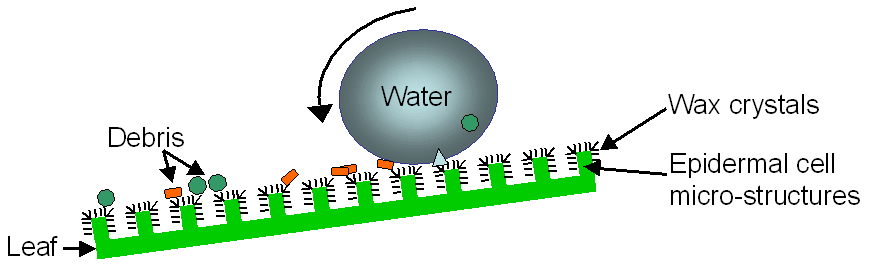
Figure 1a: Scanning electron microscope image of a 1cm2 section of the Gecko-sticky tape.

Figure 1b: Spiderman toy hanging from a glass plate, attached using the tape with a contact area of approximately 0.5cm2.

Figure 1c: Bunching of the hairs is a problem that reduces the adhesive properties of the tape.

In 2006 BAE systems announced that they were able to generate a gecko-like adhesive using a modified version of photo-lithography, the method used to make silicon chips, that was economically viable and easy to scale-up. This super-adhesive was made using polyamide, like nylon, and like the design from Manchester consisted of mushroom shaped structures. While not as sticky as the gecko’s feet, it could quite comfortably stick an elephant to the ceiling, should you have any call to do so! However, unlike conventional adhesives, the gecko-inspired substance can be reused, easily peeling from the surface to which it was stuck, meaning that a Spiderman suit is now a possibility and no doubt likely to appear on a great number of childrens' (and adults') wish lists. The other advantage is that it doesn’t leave any sticky residues behind, so no more patches of blue fluff where something was once stuck. But there are still advances to be made, and the scientists involved hope to make this adhesive even stickier, so for now we’ll just have to wait and stick to using ladders for our window cleaning chores.

Leaves, Loos and the Lotus Effect
Despite preferring to grow in muddy rivers and lakes, the leaves of the Lotus plant (Nelumbo nucifera) remain clean and free of contaminants, even after emerging from the murky waters. This self-cleaning ability is believed to be why this plant is regarded as a symbol of purity in many Asian religions and has been the inspiration for many biomimetic inventions.

Instinctively you might think that smoother surfaces would be the cleanest, as grooves and ridges would only serve to trap dirt. However, on closer inspection two German scientists, Professors Barthlott and Neinhuis, revealed that the shiny detritus-free surface of the lotus leaf is anything but smooth. Scanning electron microscope images revealed that the leaves were very rough and covered in micro-lumps and bumps of protruding epidermal (outermost) cells, which were in turn covered in wax crystals around one nanometre (1 millionth of a millimetre) in diameter. The wax crystals are hydrophobic (water hating) and so they repel water droplets and help prevent wetting of the leaf surface. The combination of these micro- and nano-scale features greatly reduces the contact area between the surface and water molecules, which is the key to the cleaning process and explains how even a light rain shower is enough to wash the leaves clean.

The Lotus Effect.  Water forms droplets on the tips of the epidermal protrusions and collects pollutants, dirt and small insects as it rolls of the leaf.

Figure 2: The Lotus Effect. Water forms droplets on the tips of the epidermal
protrusions and collects pollutants, dirt and small insects as it rolls off the leaf.

Instead of sitting flat along the surface of the leaf, the water only makes contact with the leaf at the top of the lumps (figure 2), which forces it into spherical droplets. Then, even with the slightest of angles, instead of sliding down the leaf surface the bead of water starts to roll and tumbles off the leaf picking up dirt particles and small insects as it goes. This process, called the Lotus Effect, is so efficient that even honey and water-based glues will roll straight off the leaves, leaving no trace behind.

So-well has evolution refined this system that even hydrophobic dirt particles, which would ordinarily repel water, are trapped by the rolling water droplet and washed away. This is because the particles on the leaves only make contact at the tip of the wax crystals and so do not adhere very well. This means that the energy required by the water to pick them up is much less than the energy required to stick them to the leaf and so they are washed off.

But this effective method of self-cleansing is not restricted to this sacred plant. It also operates naturally in cabbages, reeds and the wings of butterflies and dragonflies, and it has now been exploited by industry to produce several technologies including a water repellent spray developed by BASF. This agent uses nanoparticles and water resistant polymers such as polypropylene, polyethylene and wax that self assemble into tiny structures which can mimic the Lotus Effect. This spray can be effectively applied to a wide range of surfaces from masonry to textiles and leather. Other products in the same vein include Lotusan, a house paint that combines this effect with other characteristics of water-repellent paints, and a more water-efficient urinal that cleans itself using only a fraction of the water required by a regular facility.

I can't imagine many people wouldn’t be attracted by such technology: houses and windows that would clean themselves with every rain shower, shoes that no longer need polishing, clothes that shun dirt. And the technology can have a positive environmental impact too, dramatically reducing the water required to flush a toilet for example.

Blood clots, arteries and self-healing space craft
Nevertheless, inspirational as nature may be, not all biomimetic innovations are direct copies of their natural world counterparts. Instead, sometimes the concept provides the clue to a more advanced technological solution. Take the blood clotting system for example. When you cut yourself, it is not long before your blood clots to prevent further bleeding and a scab appears. Hidden and protected by the scab your body repairs the damage below and after a short period it is as good as new.

Figure 3a: Micro glass tubes used to contain the resin and setting agent.

So can a similar method be adopted to repair wounds in the skin of a spacecraft? Well yes and no. On the one hand a self-healing system would spare astronauts from having to attempt risky repairs in space, but a repair that worked on the relatively slow time-scale used by the body's clotting system would be of little practical benefit, so it would need to be speeded up.

With this in mind Drs Bond and Trask of Bristol University set about developing a composite material for use in space craft construction that would heal itself in the event of damage. Just as blood passes through tissues in tiny capillaries, the Bristol team have incorporated glass tubes (figure 3a), each only sixty microns (60 thousandths of a millimetre) in diameter, throughout the material (figure 3b). The tubes contain either a resin, or a chemical setting agent which triggers the resin to polymerise and set hard.

This arrangement means that if the material is stressed or cracked, the tubes will rupture, allowing the two "clotting" components to escape and mix. The resulting hard plug will block the breach and restore strength and integrity to the material. Indeed, by including a fluorescent dye to the tubes, it's possible to see the new hardened resin being deposited wherever the material was damaged (figure 3c).

Figure 3b: The glass tubes were set in the composite material in layers.

Although the inclusion of the glass "blood vessels" reduced the strength of the material by 16% and the healed section was only 87% as strong as the original, this piece of research demonstrates that the concept of self-healing materials is feasible and now research is on-going to produce stronger "healants". Also, unlike the mammalian vascular system where blood circulates and is topped up in the event of loss, the present system works only once. So the team are now looking at ways to allow circulation and re-filling of the vessels. And just as our own circulatory system plays a key role in transport and temperature regulation in the body, it may be that the vessels of the space craft could be used to serve similar purposes too, helping to keep down weight and save space.

Another feature of the mammalian response to wounding that would be useful in the vasculature of a space craft is bruising, which can indicate damage below the surface. Often fractures occur inside a composite material leaving no external sign of damage. But if a give-away "bruise" could be generated at the same time as the healant is deposited, it could be used to identify problem areas more speedily.

Figure 3b: Repairs are localised to the areas of damage as observed using a flourescent dye.
The idea of a self-healing spacecraft complete with vascular system may seem a little strange and even more advanced than many sci-fi movies, but with the speed at which these developments are being made it may not be too long before it becomes a reality.

The tip of the iceberg...
Sometimes inspiration can be gleaned from the strangest of places, such as worms inspiring the development of robots that could be used to carry cameras into your intestines, traffic systems modelled on the behaviour of ants, and the skunk cabbage that is revealing secrets of how to keep warm during the winter.

Perhaps the most quirky phenomenon that sparked some research was the observation of bullet-proof pheasants. Occasionally, a pheasant can be hit with shot from a shotgun and yet escape unscathed, possibly due to its feathers absorbing the shot’s energy. This sparked an interest in understanding the properties of the feather protein keratin and its potential use in high-velocity impact protection, such as bullet-proof vests.

Other bio-inspired inventions include the sharkskin swimsuit, worn by 28 of the 33 gold medal winners at the swimming events in the 2000 Sydney Olympics. The swimsuit was designed to channel water over the body in the same way that a shark's skin does, reducing drag. Researchers have also been looking at the humble pine cone for other clothing ideas such as anti-sweat ventilation flaps that open and close in response to moisture when things get a bit sweaty. Penguins are also helping to keep polar explorers warm thanks to synthetic insulators based on their feathers; the breakthrough here is that, unlike down, they don't lose their insulating capacity when they become wet.

Where the next invention or moment of inspiration will come from, is virtually impossible to predict, but nature appears to have an inexhaustible supply of answers. All we need is a little ingenuity an open mind.

Becky Poole

How Climate Change is Choking Marine Ecosystems

Quick, when I say "ocean" what are the images that come to mind? Humpback whales breaking through blue water or maybe miles of coral reef guarded by brightly colored fish. But what if I told you that the smallest things, those that can’t be seen with the un-aided eye, are also worthy of exploration. In the water running seaward and in the sand and mud at your toes – there is life. Life that is responsible for the recycling of nutrients and sometimes the cleansing of water.

It turns out that microscopic forms of life living in marine sediments play a crucial role in regulating the amount of nutrients (nitrogen and phosphorus) in the water column. We care about the amount and kinds of nutrients in the water because they feed microscopic plants (phytoplankton) that form the basis of the food web. When it comes to marine systems we are primarily concerned with nitrogen. Nitrogen has the most profound impact on coastal systems because it is the limiting nutrient. That is, it is often the least abundant relative to the amount required to form life, so phytoplankton growth is restricted by the supply of that nutrient.

Nevertheless, while nitrogen is necessary for plant growth, too much of it released into the marine environment can have dramatic negative affects. Excess nitrogen can trigger unusually large phytoplankton blooms that shade the water and make it impossible for other aquatic plants, such as eel grass, to survive. And when the phytoplankton bloom dies and sinks to the bottom, the decomposition process uses up the available oxygen, which kills fish, shellfish, and other bottom-dwelling organisms. Unfortunately, humans introduce nitrogen into the environment in many ways, including burning fossil fuels, fertilizing fields and lawns, and through human waste.

The nitrogen cycle is complex and many processes work to keep nitrogen within a system. Only one process, known as denitrification, permanently removes nitrogen. It occurs in land, freshwater and marine ecosystems and is a form of bacterial respiration that converts biologically usable forms of nitrogen (i.e. nitrites, nitrates, and ammonium salts) to an unusable form, chiefly nitrogen gas, N2.

A Sediment Core

This is an example of a sediment core collected from the estuary. The silver you see at the top is part of the corer. The grey base you see hold the sediment in the core tube. In this sediment core you can see a moon snail in the middle.

Denitrification is important because it is the dominant nitrogen removal route in estuaries and the continental shelf. It occurs naturally and can remove a substantial portion of the total nitrogen load to the estuary. In a sense, it is nature’s cleanser for the estuary – removing the nitrogen and therefore combating the negative effects mentioned above. Because denitrification is so important, estuaries have been described as "filters" or "sinks."

We set out to measure this process in a temperate estuary called Narragansett Bay along the northeast coast of the United States. We began by collecting sediments throughout the estuary and bringing them back to the lab. Once in the lab we sealed the sediments and the overlying water together in a gas tight container and over time extracted water samples. We then used an instrument that can precisely measure dissolved gases in water called a membrane inlet mass spectrometer.

In 2005, we learned that the rate of denitrification had decreased substantially since it was first measured here in the late 1970s. The cleansing process that is so vital for maintaining the estuary had slowed. We continued to sample through 2006 and we discovered a remarkable change. Instead of producing nitrogen gas through denitrification, the sediments began to do the opposite. That is, they were instead fixing nitrogen.

Mass Spectrometer

The membrane inlet mass spectrometer, otherwise referred to as MIMS, requires a small size and no sample preparation. In addition the instrument can process water samples for dissolved gas concentrations quickly (about 20 to 30 an hour) and very precisely.

During nitrogen fixation bacteria in the sediment take nitrogen gas and turn it into a biologically usable form of nitrogen (for example nitrate or ammonium). To visualize this change - imagine the sediments breathing. When denitrification dominates the sediments are exhaling – cleansing the water of excess nitrogen. But, when nitrogen fixation occurs the sediments inhale – bringing more nitrogen into the system. In fact, we found that the sediments added more than 1.5 times the amount of nitrogen from the land and atmosphere combined in the summer of 2006. This is a major shift from the estuary acting as a nitrogen "filter or sink" to acting as a nitrogen "source".

Finding nitrogen fixation in the sediments was surprising and also a bit worrisome. Most organisms cannot fix nitrogen and it has long been thought that this process was generally not important in marine sediments. What would cause this dramatic shift? And what might it mean for estuaries and the global ocean?

To answer these questions we began exploring other ecological changes that have occurred in the bay. In the thirty years since denitrification was first measured the average annual water temperature has increased by 1.5ºC and finfish have been replaced by crabs and lobsters. Most dramatic of all has been the shift in the timing and magnitude of the winter-spring phytoplankton bloom that once characterized this bay. The amount of phytoplankton in the water column has decreased by almost 40%. This decrease is important because in coastal systems the phytoplankton fall to the bottom and feed the organisms that live in the sediment. Without this pulse of food or organic matter the organisms cannot survive.

Apparatus Setup

The sediment cores, sealed with a gas tight lid, in a water bath. The water bath allows us to maintain the field temperature for the sediment cores. The whole set up is placed in an environmental chamber – again allowing us to control the temperature so we may look at seasonal changes in sediment nutrient cycling. When we extract a sample for analysis we replace the water from the two large white containers that holds filtered site water. The large grey circle in the middle has a motor that turns high powered magnets attached to a plastic plate. In each of the sediment cores there is magnet attached to the lid. As the plastic plate moves it causes the magnets inside the sediment cores to move too. This helps us keep the water above the sediment constantly stirred to mimic real environmental conditions.

We thought that this decrease in organic matter might also be responsible for the flip from denitrification to nitrogen fixation. So we designed a series of experiments that would test our hypothesis. We added varying amounts of organic matter to individual sediment cores as well as large four square meter sediment plots. The sediments that received the fresh organic matter were all denitrification dominated and the sediments with no organic matter were all fixing nitrogen. So now we think we know what caused the switch - the bacteria responsible for denitrification need fresh organic matter. We also think we know why the phytoplankton production has decreased.

The decrease in phytoplankton production over the last thirty years has been increasingly linked to changes in climate. There are two main working hypotheses and it is important to note that both might be responsible. The first is that the warming waters of the bay allow zooplankton, which are microscopic animals, to feed or graze down the phytoplankton earlier and longer. If this is the case, the phytoplankton never reach "bloom" capacity because the zooplankton eat them too quickly.

The other hypothesis is that warmer winters have more cloudy days and conversely colder winters have more sunny days. Lots of research, here in Narragansett Bay and in other regions such as the Gulf of Maine and the Baltic, has shown that the onset of the winter-spring phytoplankton bloom is determined by the amount of light the phytoplankton receive. If the phytoplankton get less light then this could also decrease the overall amount of phytoplankton growth.

The long term effects of what we observed last summer still need to be explored. The next step is to determine how much of the fixed nitrogen is recycled into the water column. This will help us to determine if the fixed nitrogen can affect other ecological processes in the bay. We also need to see if nitrogen fixation is taking place in other estuaries and along the continental shelf. Since these areas are hot spots for nitrogen removal through denitrification, should they switch to nitrogen fixation, it could have important consequences for the open ocean.

Aerial photo of Narragansett Bay.

About the Author

Robinson Fulweiler just completed her PhD at the Graduate School of Oceanography at the University of Rhode Island on the biogeochemistry of coastal waters. She is headed to Louisiana State University this autumn for her postdoc where she will continue to work on nutrient cycling and climate change.

Robinson Fulweiler

How The Lymphatic System Works

The lymphatic system is an offshoot of the cardiovascular system and comprises lymphatic vessels, lymph nodes, lymph (the fluid they contain) and lymphocytes (immune cells). Lymphatics were first seen by Hippocrates in 400BC as vessels containing ‘white blood’, but the lymphatic system was not properly described until the 1600s, around the same time that William Harvey published his detailed description of the blood circulatory system.

Lymphatic system
Figure 1 - The lymphatic system ©St. George's, University of London

Whilst our understanding of the blood circulation progressed rapidly, the lymphatic system was regarded as a simple drainage system and largely ignored. It is only in the last 20 years that lymphatic research has really progressed. It's now clear that the lymphatic system is far more than a simple drainage network and instead comprises a complex system involved in many conditions, ranging from cancer to asthma. This article explores the essential role that the lymphatic system plays in tissue fluid regulation. A disturbance in this regulation can cause fluids to accumulate in tissues, leading to swelling or lymphoedema, a condition which presents us with many unsolved puzzles.

The essential role of the lymphatic system in tissue fluid volume regulation
The lymphatic system has several key roles including transporting fats absorbed from the gut, priming the immune system during infections bv carrying material to local lymph nodes and regulating tissue fluid volume.

Tissue fluid (also known as interstitial fluid) forms when water and proteins filter through tiny channels in the walls of small blood vessels, called capillaries, and enter the surrounding tissue.

Chronic venous disease
Figure 2 - Chronic venous disease resulting in oedema. ©St George's, University of London

In general, fluids filter out of the capillary at a rate determined by pressures on either side of the wall. These pressures (‘Starling forces’) are exerted by the fluid and by protein, on both sides of the wall. All the body’s cells are bathed by 10-12 litres of interstitial fluid compared with a blood plasma volume of only 3 litres. In order to keep the volume of fluid in the interstitial compartment constant, excess interstitial fluid and large proteins must be returned to the blood stream. This process is carried out almost entirely by lymphatic vessels.

Excess interstitial fluid first drains into small, thin walled lymphatics (initial lymphatics) and then into larger lymphatics. Larger lymphatics possess valves to ensure that lymph flow is one-way and have muscular walls which can pump the interstitial fluid (now termed lymph) towards lymph nodes. Lymphocytes within lymph nodes police all fluid which passes through them and an immune response may be initiated if a foreign body is encountered (this is why our lymph nodes e.g in the neck, may swell when we are unwell). After exiting the lymph nodes, lymph empties into the blood circulation via connections to veins in the neck.

What is the difference between oedema and lymphoedema?
As the lymphatic system is essential to the regulation of tissue fluid volume, any impairment is likely to lead to a build up of fluid and protein. This can manifest as swelling (oedema). Both oedema and lymphoedema manifest as swelling but the two conditions have distinct causes.

Many of us notice that our feet swell during a long haul flight and this is because the capillary filtration rate is temporarily exceeding the ability of the lymphatics to remove fluid. This however, is normal and will disappear over time. Clinical oedema is caused by a sustained excess of fluid filtering across the capillary wall. The lymphatic system will work harder to remove this excess fluid but eventually it becomes overwhelmed and fails, resulting in swelling. This excess in fluid filtration can occur as a result of a variety of conditions including: malnutrition, renal failure, heart failure and inflammation. The oedema can usually be cured if the underlying cause is identified and treated.

Figure 2 shows a patient with leg swelling caused by chronic venous disease, which is sometimes caused by deep vein thrombosis, varicose veins or chronic heart failure. This condition causes capillary filtration to be increased over a sustained period. The lymphatics are overwhelmed and this leads to an excess of interstitial fluid and oedema (swelling).

Types of Lymphoedema
There are two broad categories of lymphoedema:

Milroy disease
Figure 3 - Milroy disease (leg swelling and associated skin changes) ©St George's, University of London
Primary Lymphoedema can be genetically pre-determined but can also develop later in life with no discernable cause. Primary refers to the fact that the lymphoedema is caused by an inherent defect, which may include under-development, in the lymphatic system. For example, there may be too few lymphatics or malfunctional lymphatics which do not pump properly or have faulty valves. Primary lymphoedema is relatively rare. Two examples of primary lymphoedema, in which the genetic abnormality has been identified, are:

A. Milroy disease. This involves lower leg swelling, present from birth (1 in 6000 births) (figure 3). It is caused by mutations in a gene responsible for embryonic lymphangiogenesis (lymph vessel development). As a result, lymphatics fail to develop properly, particularly in the leg.

B. Lymphoedema Distichiasis. This involves leg swelling (figure 4) and is caused by mutations in a lymphatic developmental gene called FOXC2.
As a result, the valves of large lymphatics become incompetent allowing lymph to flow backwards. This impairment in lymph flow is exacerbated in the upright position as the lymph also has to work against gravity. Surprisingly, this condition is associated with a double row of eyelashes (distichiasis) (figure 5), presumably because the lymphatics and the eyelashes have a common developmental origin. The double row of eyelashes is present from birth but the lymphoedema develops only after puberty. The reason for this is unknown but hormonal changes may be a contributory factor.

Lymphoedema distichiasis

Double Eyelashes

Figure 4 Leg swelling in Lymphoedema distichiasisFigure 5 Double row of eyelashes associated with lymphoedema distichiasis
Lymphatic filariasis
Figure 6 - Lymphoedema caused by Lymphatic filariasis

Secondary lymphoedema is much more common. The word secondary refers to the fact that the lymphoedema is caused by something external to the lymphatic system.

  1. The commonest cause of lymphoedema is lymphatic filariasis which affects approximately 90 million people worldwide, mostly in developing countries. Lymphatic filariasis is caused by a nematode worm infestation that is transmitted by mosquitoes. These worms reside in lymphatic vessels and impair lymphatic function mainly in the limbs and scrotum, causing a lymphoedema associated with hyperkeratotic elephant-like skin (Elephantiasis) (figure 6).
  2. In Western countries, the commonest cause of lymphoedema is cancer surgery. One example is surgery for breast cancer. In the UK, around 41,000 new cases of breast cancer are diagnosed each year. (N.B Breast cancer in men does occur but it is rare – approximately 300 cases are diagnosed per year). The lymphatics are the main routes for metastases of malignant breast cancer. Axillary lymph nodes (which are the lymph nodes in the armpit which receive lymph from the breast and upper body) are usually removed during breast cancer surgery. This means that they can be examined under a microscope to determine if the cancer cells have spread. In many cases, all axillary lymph nodes are removed (there are between 30 and 50). The removal of such nodes can obstruct lymph drainage, resulting in swelling. Arm swelling is particularly common but swelling can also affect the breast and upper body.
Breast cancer-related lymphoedema
Figure 7 - Breast cancer-related lymphoedema of the left arm ©St George's, University of London

Breast cancer-related lymphoedema (BCRL) affects approximately 25% of breast cancer patients and can be exacerbated by radiotherapy which scars tissue and disrupts lymph drainage. Most women will undergo axillary surgery as part of the breast cancer treatment and will have lymph nodes removed from the arm and approximately one quarter of these women will develop BCRL.

Clinical features and management of BCRL
Breast cancer-related lymphoedema is incurable and the swelling characteristically worsens with time. The swollen arm can feel heavy and painful and the risk of infection and skin cancer is increased. BCRL is also associated with functional and psychological morbidity. Distress may be caused by clinicians whose primary focus is recurrence of the breast cancer and who may trivialise the lymphoedema because of its non-lethal nature. Some women have reported that the appearance of the arm is more distressing than living with a mastectomy. The latter can be easily hidden whereas a disfigured arm is a constant reminder of the breast cancer and a subject of curiosity to others.

Lymphoedema (unlike many cases of oedema) is incurable because underlying causes are irreversible and currently there is no drug or surgical therapies which improve lymph transport. Nevertheless, following an intensive treatment course combining Manual Lymphatic Drainage (a massage technique which encourages lymph drainage), compression bandaging (which limits the swelling) and exercise, the swelling can be reduced and controlled.

Puzzles in BCRL
The traditional and widely accepted view of BCRL is that damage to the axillary lymph nodes prevents lymph from properly draining out of the arm, much like a blocked drain, resulting in the swelling. However, this view explanation is too simplistic as it fails to fully explain certain puzzles which relate to BCRL. These include:

  • Why do only approximately a quarter of women who have similar breast cancer treatment develop BCRL and why not all?

  • Why can BCRL develop when just a single lymph node is removed and why does swelling not necessarily occur when all lymph nodes are removed?

  • Why can the arm seem normal for months or years after surgery and then suddenly swell for no obvious reason? (Swelling has been reported to develop as much as 20 years after surgery).

  • Why can certain parts of the arm be more swollen than other parts which may have no swelling at all? For example, sometimes the whole arm can be swollen whilst the hand is spared of swelling (figure 8) even though the hand and arm lymph drains to the same lymph nodes.

Current research into BCRL aims to solve these puzzles in the hope that management of the condition will improve and the swelling may be minimised or even prevented. Unless more can be understood about the mechanisms which cause the swelling, this incurable and debilitating condition is likely to remain a significant problem.

Stephanie Modi

Why Don't Woodpeckers Get Brain Damage?

In the late 70's, a study carried out by Philip May, Joaquin Fuster, Jochen Haber and Ada Hirschman, using high-speed photography (capable of taking 2000 frames a second), revealed that the impact deceleration, when a woodpecker's beak travelling at 7 metres per second slams into a tree trunk, can exceed one thousand times the force of gravity (1200g).

With repeated trauma of this magnitude it's surprising that the bird's head remains attached to its body, never mind the risk of developing a severe headache, concussion or even brain damage. So why don’t they? Indeed, when other small birds accidentally fly into windows they often tumble to the ground and appear to be "knocked out" for a while before picking themselves up and fluttering off; so why should woodpeckers be any different?

The answer is that evolution has equipped them with a number of adaptations that make repeatedly banging your head against a hard surface 20 times per second slightly more tolerable.

Green WoodpeckerFirstly, woodpeckers have relatively small brains which, in contrast to a human, are packed fairly tightly inside their skull cavity. This prevents the excessive movement of the brain inside the skull, which causes so-called 'contre-coup' injuries in humans. These occur when the brain bashes into the skull following a knock on the head. In other words the head stops, but the brain keeps on moving momentarily afterwards.

Secondly, unlike a human brain the surface of which is thrown into ridges and folds known as gyri to enable more grey matter to be packed in, the woodpecker’s brain has a smooth surface and, through its small size, a high surface area to weight ratio. This means that the impact force is spread over a much larger area, relatively speaking, compared with a human. Again, this minimises the applied trauma. The bird’s brain is also bathed in relatively little cerebrospinal fluid, which also helps to reduce the transmission of the shock waves to the brain surface.

Finally, and possibly most importantly, the woodpecker also makes sure that he minimises any side to side movement of his head, and this is where May and his colleague’s fast film footage comes in.

TypewriterThe team found a tame acorn woodpecker, which could be encouraged to perform for their camera by bashing out a few words on an old typewriter. They watched as the bird first took aim and delivered a number of "test taps" before unleashing a salvo of strikes, but always in a dead straight line.

This approach is crucial because it avoids placing rotational or sheering stresses on the nerve fibres in the brain. Humans involved in car and motorcycle accidents frequently develop the symptoms of 'diffuse axonal injury' (DAI) where sudden deceleration coupled with rotation literally twists the different parts of the brain off each other like a lid coming off a jar. By hammering in a dead straight line woody woodpecker avoids giving himself DAI, further minimising the risk of brain damage.

An unresolved issue however, is that the researchers noted from their photographs that their study subject also took the precaution of closing his eyes just before each strike. But whether this was to keep wood chips out, or the eyeballs in, is anyone’s guess!

Original references:
- May et al., Arch Neurol 1979 Jun; 36(6): 370-3
- May et al., Lancet 1976 Feb 28;1(7957):454-5


Chris Smith

The Science of HIV & AIDS in the UK

In the UK the plight of AIDS today gets much less attention from the public and the media than it did back in the 1980’s and early 1990’s. This often leads to the misconception that AIDS is no longer a problem in this country; in reality, the increasing prevalence of HIV in the UK proves that this is simply not true.Red Ribbon

Worldwide, accepted definitions, facts and figures on HIV and AIDS include:

  • Acquired immune deficiency syndrome (AIDS) is a collection of symptoms and infections that result from specific damage to the immune system by the human immunodeficiency virus (HIV).

  • HIV is transmitted through the direct contact of a mucous membrane, or the bloodstream, with a bodily fluid containing HIV.

  • The late stage of the condition leaves individuals prone to opportunistic infections and tumours.

  • Whilst antiretroviral treatments for AIDS and HIV exist to reduce the mortality and morbidity of HIV infection to date there is no known cure; even access to these antiretroviral treatments is not routine in all countries.

  • Researchers believe that sometime in the 1930’s a form of simian immunodeficiency virus jumped to humans who butchered or ate chimpanzee bush meat in the Democratic Republic of Congo. The virus became HIV-1, the most widespread form found today.

  • The world’s first known case of AIDS has been traced to a sample of blood plasma from a man who died in 1959. During the 1970’s HIV continued to spread undetected around the world and hence the pandemic began. Today an estimated 40 million people are living with HIV worldwide.

  • As of January 2006, the Joint United Nations Programme on HIV/AIDS and the World Health Organization estimate that AIDS has killed more than 25 million people since it was first recognised on June 5th, 1981.

  • The stigma associated with HIV/AIDS is severe and extends to providers and volunteers involved with the care of HIV infected patients. AIDS exerts its toll also on societies, devastating their economies, decimating their labour forces and orphaning children.

  • Thus, it is one of the most destructive pandemics in recorded history, surpassing even the Black Death. By 2015 it is estimated that 60 million people will have died of AIDS.

  • In 2004 the global spending on AIDS was $6.1b. Estimated global AIDS spending required in 2007 for prevention and care is $20b. Less than 3% of all money spent on AIDS goes towards developing a vaccine for the disease.

  • In February 2007 a study published in the Lancet showed that male circumcision could dramatically reduce the risk of HIV infection. The randomised control trial showed that circumcised men were 60% less likely to pick up HIV. This means that if all of the 2.5 million men in KwaZulu-Natal province had been circumcised, 37,000 new HIV infections could have been prevented in 2007 alone.

The history of HIV / AIDS in the UK
The first recognised case of AIDS in the UK was recorded in December 1981, when doctors at Brompton Hospital in London reported the case of a 49 year old homosexual man who had died ten days post referral. He was suffering from a rare infection that almost always occurs in individuals with severely weakened immune systems. Doctors believed that the condition might be linked to similar cases that had been occurring amongst gay men in the US.

Throughout the 1980’s the number of newly diagnosed HIV infections per year in the UK rose steadily. The figure plateaued during the 1990’s, averaging about 3,000 cases per year, but then increased dramatically after 1999. By 2005, the annual number of newly diagnosed infections was more than 7,500, and an estimated 63,500 people over 15 years of age were living with HIV in the UK, 20,100 (32%) of whom were believed to be unaware of having been infected. Since the pandemic began there have been 17,161 known UK HIV deaths.

The science bit...
HIV is a retrovirus, meaning that it uses a chemical relative of DNA, called RNA (ribonucleic acid), as its genetic material. It primarily attacks components of the human immune system, including T lymphocytes and other white blood cells that carry "CD4" receptors on their surfaces. HIV enters its target cells by binding to both the CD4 molecule and a chemokine "co-receptor", of which there are two forms, CCR5 and CXCR4. Once inside the cell the virus makes a DNA copy of its genome and then uses an enzyme it carries with it, called integrase, to insert this copy into the cell’s own DNA. Either immediately, or after a period of dormancy known as latency, the virus then hijacks the cell and turns it into a virus factory. The newly produced viruses leave the infected cell, destroying it in the process, and move on to invade other CD4+ cells, which are mainly T lymphocytes. These are the cellular linchpins that help to marshall the other components of the body's immune system. As their numbers dwindle the ability of the body to mount an effective immune response to combat other invaders, including bacteria, viruses and fungi, is progressively weakened. This means that HIV kills by slowly destroying the immune system and leaving the infected individual vulnerable to infection by so called "low grade" or opportunistic bugs.

What is the natural history of HIV infection? What are the symptoms?
Most infections with HIV are initially "silent", meaning that a person may not notice that anything is wrong. Then, several weeks after infection, patients often develop a "seroconversion illness", which characteristically includes flu-like symptoms, lymphadenopathy (swollen lymph glands), fevers, loss of appetite and weight, diarrhoea and general lethargy and malaise. During this time infected individuals have very high levels of virus in the bloodstream (10 million viruses per millilitre of blood is not uncommon). The reason for this very high viral load is that the virus is able to replicate (grow) largely unchecked because the immune system has yet to mount an effective suppressive response, including the production of antibodies that can mop up viral particles. As a result the number of CD4+ T cells can fall to very low levels at this time, and the patient is highly infectious.

But then the immune system kicks in, and the virus largely retreats, hiding within lymphoid tissues and replicating only very slowly. The levels of virus in the blood stream become much lower, the patient is less infectious and feels well. Untreated, an infected individual usually remains "healthy" like this for 5 to 15 years.

Human Immunodeficiency Virus (HIV) Particle

Structure of the human immunodeficiency virus (HIV) viral particle.

However, the body’s immune system only has a limited ability to control HIV. The virus makes mistakes when it copies its genetic code. Roughly once in every 10,000 genetic letters that are copied the virus introduces the wrong genetic base. Since the genome contains about 9000 bases in total, almost every genome copied will contain an error. The result is that these genetic mistakes alter the appearance of the virus and so make it harder for the immune system to recognise and keep up, because it is trying to hit a moving target. Eventually, through this progressive shape-shifting, the virus takes on a form that the immune system cannot respond to, and at this point the pace of the infection begins to accelerate and the number of CD4+ T cells begins to fall.

The timecourse of HIV infectionWhen the CD4 count falls below a critical threshold (400 per microlitre of blood) the body is no longer able to defend itself. At this point an HIV-infected individual is said to have AIDS, and patients usually begin to develop opportunistic infections caused by organisms that would not normally affect healthy people. These include mycobaterial infections (caused by bacteria related to tuberculosis), the lung infection PCP (pneumocystis carinii pneumonia), oral and genital thrush, complications of CMV (cytomegalovirus), chronic diarrhoea and weight loss, toxoplasmosis, meningitis, dementia, and polyomavirus (JC virus), which is associated with a disease of the brain's white matter known as PML (progressive multifocal leucoencephalopathy). At this point patients are often prescribed prophylactic drugs to help ward off some of these infections including co-trimoxazole, which can slow down the progression of PCP.

Without treatment the median survival time after developing AIDS is only about 9 months. However, the rate of clinical disease progression varies widely between individuals from 2 weeks to 20 years. Many factors affect this rate of progression, including age, quality of health care and the presence of co-existing infections. An individual's genetic make-up also plays an important role because it's now becoming clear that some people are resistant to certain strains of HIV and although they become infected they do not seem to develop AIDS, or they do so only extremely slowly. There are even people who seem to be totally immune to infection with the virus. They carry a mutated cell surface marker called CCR5-delta-32, which prevents HIV from locking onto and invading their cells. Scientists hope that understanding what makes these people able to resist the virus may hold the key to future therapies to block infection amongst susceptible individuals.

New HIV Infections, AIDS cases and HIV Deaths in the UK by year

Treatment
Whilst the number of people living with HIV is rising each year, the number of HIV infections that progress to AIDS has dropped dramatically since 1996. This is primarily the result of anti-retroviral therapies, which are available to slow the progress of the virus. These target essential components of the viral replication cycle and include reverse transciptase (RT) inhibitors, which interfere with the way the virus makes a complementary "cDNA" copy of its RNA genome, and protease inhibitors, which prevent the virus from cutting up the raw materials it needs to form new viral particles.

There are two types of drugs that block RT; these are known as nucleoside and non-nucleoside RT inhibitors. The nucleoside RT inhibitors are structurally very similar to normal DNA bases, but they lack a critical chemical group required to enable a DNA chain to grow. So when the viral RT inserts one of these altered bases into the copy that it's making of its genetic code, it can't finish the job because it cannot add the next genetic letter. An example of this type of agent is the drug AZT or zidovudine (azidothymidine). The non-nucleoside RT inhibitors, which include drugs like efavirenz and nevirapine, work slightly differently. They target the RT enzyme itself and bind to it, distorting its shape so that it cannot work properly. This stops the virus from replicating.

Protease inhibitors (PIs) only emerged more recently. They work by blocking the action of a protein-cutting enyzme carried by HIV, which is critical to the virus being able to assemble new infectious particles. If this enzyme is prevented from doing its job the virus cannot escape from the infected cell. An example of the PIs includes saquinavir, which is famous for being one of the first drugs produced by building a computer model of the shape of the viral enzyme and then designing a drug specifically to block it.

There are also agents known as fusion inhibitors, which are a newer type of drug that work by stopping HIV from binding with the CD4 receptors that it uses to enter cells. One being evaluated at the moment is called efurvatide.

Doctors have also recently been testing a new agent called raltegravir, which is an "integrase inhibitor". This prevents the virus from inserting a copy of its genetic material into the host cell genome. In a recent trial published in the Lancet doctors randomly allocated 179 patients with end-stage HIV / AIDS to receive either the active drug or a placebo. After 6 months the patients receiving raltegravir showed a 98% drop in the levels of virus in the bloodstream, compared with only 45% in the placebo group. The next step will be to test raltegravir in combination with other HAART regimen drugs in healthier patients who are not approaching the end-stages of their disease. It may make a considerable difference to the rate of disease progression.

So there are lots of drugs with which we can now combat HIV; but there's a problem. Because the virus frequently makes mistakes when it copies its genetic material it rapidly develops forms of the virus that are resistant to the action of these drugs. To slow down the rate at which this happens, rather than use them singly, a cocktail of drugs is used, often one from each of the three classes (nucleoside RT inhibitors, non-nucleoside RT inhibitors and protease inhibitors). This is known as HAART or Highly Active Antiretroviral Therapy (HAART) and it has dramatically reduced the evolution of viral resistance and prolonged the time during which an HIV-infected individual remains healthy and symptom free. However, it's worth emphasising that, whilst drugs help to control the spread of HIV to uninfected cells, unfortunately there is no treatment available at present that can eradicate HIV once integrated into a host.

Side effects...
This means that individuals using HAART have to take medication every day for the rest of their lives, and this often causes severe side effects. When individuals first start treatment they may suffer headaches, hypertension or general malaise (feeling unwell), although these usually improve or disappear with time. Other side effects can include diarrhoea, nausea, fatigue, anaemia, lipodystrophy, skin problems, neuropathy, mitochondrial toxicity, dyslipidaemia and bone problems. Whilst most people who take anti-HIV medications have some side effects it must not be assumed that everyone gets every side effect that has ever been written down.

Another problem with combating HIV is that a number of different strains of the virus can arise due to differences in selection pressures as the virus encounters different individuals, different drugs and different routes of spread. This can result in resistance to multiple anti-retrovirals and frequently occurs through a process called recombination. It occurs because each HIV virion carries two complete RNA genomic strands, meaning that homologous recombination can occur when a cell is coinfected with two different but related strains. The two strains may then exchange genetic material, including drug resistance traits. The process of recombination also therefore poses theoretical problems for the development of a safe vaccine against HIV.

The situation is also made worse by the fact that increasing numbers of patients are found to be carrying resistant forms of the virus at diagnosis, even before any drug therapy has been administered. Indeed, in 2004 an estimated 9% of new HIV diagnoses were found to be drug resistant strains, presumably acquired from individuals who had already received treatment. If patients then acquire additional strains of the virus with different resistance profiles the process of recombination can yield multiply-resistant viruses. In a case described recently in the Lancet this resulted in an individual producing a strain of the virus that was resistant to every available anti-retroviral agent. The patient in question also progressed to AIDS and died within six months of becoming infected.

The main ways HIV is transmitted in the UK
The three main transmission routes of HIV are sexual contact, exposure to infected body fluids or tissues and from mother to foetus or child during the perinatal period. It is possible to find HIV in the saliva, tears and urine of infected individuals but there are no recorded cases of infection by these secretions and the risk of infection is negligible. Breast milk, however, is known to be a significant risk factor for mother to child transmission of HIV. Studies have shown that if no anti-infection precautions are taken then 15-20% of new born babies will be infected, but if they are also breast-fed this proportion rises to over 50%. As a result HIV-positive mothers are advised not to breastfeed their babies.

A reported 754 HIV-infected children had been born in the UK to infected mothers as of the end of December 2006. Aware of the increasing risk posed by HIV to newborns and care-workers, in 1999 the UK Government introduced routine antenatal testing for HIV amongst all pregnant women. In those found to be positive, the use of antiretroviral treatment can greatly reduce the chances of a mother passing the infection to her baby. Since 1996 the increased use of such treatment has caused the rate of mother-to-child transmission to fall substantially.

Early media coverage of AIDS in the UK focused on injecting drug users. During the early 1980’s it was a big problem, but in 1986 needle exchanges began to operate across the UK, providing clean needles and giving drug users information and support. These schemes were largely effective in reducing the prevalence of HIV among certain members of this population. However, while they account for a small proportion of people living with HIV in the UK, the prevalence of HIV among injecting drug users has risen significantly in recent years (from 1:110, in 2002, to 1:62, in 2006). This rise has been attributed to an increase in the use of drugs outside of London where needle exchange schemes and information about HIV are harder to access.

Government policy in the UK
According to the latest Government legislation, NHS treatment for HIV is free to everyone who is living in the UK legally. This means that people who are living in the UK without due authority (such as illegal immigrants and failed asylum seekers) must pay for any HIV treatment they receive.

This measure aimed to tackle health tourism, the process whereby people migrate to a country in order to take advantage of better healthcare services there. However, denial of treatment to people in these situations can effectively be a death sentence, especially if they are then deported to countries where no treatment is available.

There are certain 'notifiable diseases', for which a person will always receive treatment in the UK regardless of their legal status, in order to prevent the rapid spread of epidemics. HIV, however is not on the notifiable diseases list. If a woman has no legal right to be in the UK then she will only receive medication to stop her baby being born HIV positive if doctors decide it is an 'emergency'.

Financial costs to the UK health system

  • The cost of managing a patient with HIV is around £16,000 a year.

  • The total cost of treatment and care in 2002/03 was estimated to be £345m.

  • In 2000 it was estimated that the average lifetime treatment cost for an HIV positive person was between £135k and £181k.

Why is HIV / AIDS still on the increase in the UK?
There is currently no vaccine or cure for HIV or AIDS. The only known methods of prevention are based on avoiding exposure to the virus, male circumcision which is discussed below, and antiretroviral treatment administered directly after a highly significant exposure. This is known as post exposure prophylaxis (PEP) and comprises a 4 week drug schedule, the side effects of which are very unpleasant.

Another reason people are still dying of AIDS is due to many being diagnosed with HIV at a late stage of infection. In 2005 more than one third of adults diagnosed with HIV had a CD4 count lower than the recommended threshold for starting treatment. At this stage treatment is much less likely to work. This late diagnosis is alarmingly common, highlighting the need for greater awareness and for people to access testing services as soon as possible if they think they may have been exposed to HIV.

What is next?
Billions of pounds are spent every year worldwide on caring for and treating individuals with HIV/AIDS and on resources to prevent further spreading of the virus. However, ultimately it is a cure that is required to combat this pandemic. A vaccine to prevent HIV infection, as an alternative method to current therapies, may still be many years away. Not only might such a vaccine have to prime antibodies to attack HIV (the way most vaccines work) but it might also need to increase T cell production. Vaccine trials have been undertaken in South Africa, Kenya, the USA and Thailand, though most have yet to yield promising results. Controversial vaccines made from the blood of HIV carriers have been tested in Nigeria and Thailand. Other developing avenues for treatment of HIV positive individuals include gene therapy, targeted radiation therapy and nanotube technology to block the invasion of HIV into target cells. In April 2007 researchers even identified a component naturally present in human blood (a protein derived from alpha-1-antitrypsin) that can block HIV entry into cells.

In the absence of a vaccine researchers have turned to other approaches to try to combat the virus. A promising discovery, confirmed earlier in 2007, was that male circumcision can dramatically reduce, by 60%, the chances of acquiring HIV. The first clues that circumcision might be beneficial in halting the spread of HIV came after researchers noticed much lower prevalences of HIV infection amongst communities in which males were routinely circumcised. This hypothesis was tested recently in a series of randomised control trials in which HIV-negative volunteers seeking the procedure were randomly assigned either to undergo circumcision immediately or to wait for a period of time first. The patients were then followed up with regular HIV tests. The trial had to be stopped prematurely on ethical grounds when a large excess of HIV cases were found in the group of individuals asked to wait before undergoing the procedure. Scientists think that the foreskin represents a significant portal of entry for the virus because it is relatively enriched in cell types targeted by HIV, it provides an environment in which the virus can persist for an extended period thus maximising the risk of infection, and the mucosa of the foreskin can develop tiny fissures during intercourse and these facilitate viral entry and infection.

In response to these findings, the WHO / UNAIDS have recommended that it should be considered as an effective preventative measure. According to Kevin de Cock, director of the World Health Organisation's AIDS department, "This is an extraordinary development...Circumcision is the most potent intervention in HIV prevention that has been described". And according to Marie-Louise Newell of the University of KwaZulu-Natal in South Africa and Till Barnighausen of the Harvard School of Public Health "if all of the 2.5 million men in KwaZulu-Natal province had been circumcised, 37,000 new infections could have been prevented in 2007".

But none of these strategies can be effective without education, particularly about safe sex. One in ten girls aged 16-19 in the UK is infected with chlamydia, which can only have been acquired through unsafe sex. This is clear evidence that large numbers of young people are placing themselves at direct risk of HIV, probably because they are from a generation who never saw the "grim reaper" television adverts of the 1980s when AIDS first hit the headlines. HIV is a very real threat and still very much a life sentence. Unless people can be made aware of this then the problem will only continue to get worse.

About the Author

Helen Carter is an immunologist at the Department of Pathology, Cambridge University, where she's trying to figure out how T cells work. She did her PhD at the Wellcome Trust Biocentre in Dundee and she is the head of the Cambridge regional group of the British Society for Immunology, which tries to promote Immunology to scientists and non-scientists alike.


Helen Carter